Tu carrito está vacío



Quick Summary
420HC is a stainless steel hardened to about 56 to 58 HRC, which gives it corrosion resistance, makes it easier to sharpen, and resilience during light and medium tasks. At the same time, its low carbon content limits carbide formation, so the edge wears down faster during repeated cuts into certain materials. The steel rolls under heavy pressure because it can’t support very thin bevels, but it avoids chipping during routine outdoor work. Knife makers often use 420HC in folding and fixed blades because the steel machines evenly, accepts hollow and drop-point profiles well, and stays stable during heat treatment.
420HC steel appears in many factory-made knives due to its hardness, corrosion resistance, and predictable grinding behavior. Most facilities and artisan knife makers harden it to 56 to 58 HRC, which gives the edge enough strength to cut tougher materials without folding. This hardness range also keeps the grain fine, so you can restore the blade with basic aluminum oxide or ceramic abrasives instead of diamond plates.
Those aren’t the only advantages. Shops rely on 420HC because its chromium and carbon levels respond consistently to standard quench and temper cycles. A controlled cycle also distributes carbide uniformly across the blade, preventing soft zones that cause uneven wear. At the same time, 420HC has a shorter edge retention and a lower hardness ceiling that can affect its suitability for some projects. In this guide, we’ll outline the pros and cons of this popular knife steel and when it might be ideal for your next project.
420HC is a stainless steel in the 420 family, but its carbon content sits higher than standard 420 or 420J2. Typical melts contain about 0.45 percent carbon and 13 percent chromium, along with smaller amounts of manganese and silicon that stabilize the grain during heat treatment. The higher carbon content allows the steel to reach a higher hardness than 420 or 420J2, which usually sits below 54 HRC in most factory treatments.
The “HC” designation stands for “high carbon,” but this is relative to other steels in the 420 line, not high-carbon steels as a whole. For example, D2 contains about 1.5 percent carbon, and 14C28N contains about 0.62 percent carbon, so 420HC sits toward the lower end of the carbon range used in knife blades. This lower carbon content limits the amount of hard chromium carbides that form during heat treatment, which explains its shorter edge retention compared to steels with higher carbide volume.
Heat treatment controls 420HC’s usable performance more than changes in composition from one melt to another. A proper quench and temper cycle creates a uniform matrix that reaches 56 to 58 HRC in most knives from established makers. When the cycle is rushed or overheated, the carbides form uneven clusters that leave the edge softer in some spots and more brittle in others. This variation shows up in blades that lose their apex early or roll during cuts that a properly treated blade can handle.
Knife makers value 420HC because it machines predictably at each stage. The steel grinds cleanly during bevel formation, responds well to polishing, and has a consistent finish. This dependable performance lets you maintain tight control over the final result, even when producing large batches.
420HC has several advantages due to its composition and the way it responds to heat treatment. These pros are especially evident during grinding, sharpening, storage, and real cutting tasks.
Overall, 420HC’s advantages make it a dependable choice for knives used in outdoor settings, daily carry, and general cutting tasks. Its combination of toughness, predictable machining, and resistance to corrosion gives you a steel that stays reliable across a wide range of routine jobs.
420HC’s lower carbon content, limited carbide formation, and moderate hardness place certain boundaries on its performance. These limits, which usually show up during long cutting sessions, include:
These drawbacks explain why 420HC fits light and medium tasks better than extended abrasion or high-pressure cutting. The steel is reliable within its intended range, but its shorter wear life and limited hardness make other alloys a stronger choice for heavy shop work, repeated slicing, or specialized cutting jobs.
The following comparisons use typical heat-treat ranges and common applications so you can judge how 420HC performs relative to steels you may already use.
420HC sits below mid-tier steels in edge retention and maximum sharpness but has clear advantages in corrosion resistance, ease of sharpening, and predictable behavior during heat treatment.
|
Steel |
Typical HRC Range |
Carbon Content |
Wear Resistance |
Corrosion Resistance |
Sharpening Difficulty |
Key Difference vs 420HC |
|
420HC |
56–58 |
~0.45% |
Low |
High |
Low |
Baseline for comparison |
|
440A |
57–59 |
~0.65% |
Medium |
Medium– High |
Medium |
Higher wear life; similar corrosion resistance; slower to sharpen |
|
AUS-8 |
58–59 |
~0.75% |
Medium |
Medium |
Medium |
Better edge stability; 420HC rusts less in wet conditions |
|
8Cr13MoV |
57–59 |
~0.80% |
Medium |
Medium |
Medium |
Holds an edge longer; 420HC has stronger rust resistance |
|
14C28N |
58–60 |
~0.62% |
Medium– High |
Medium |
Medium |
Sharper, longer-lasting edges; 420HC sharpens faster |
|
420 / 420J2 |
50–54 |
~0.15–0.30% |
Very Low |
High |
Very Low |
Much weaker edge retention; 420HC is the only viable cutting steel of the group |
Several knife makers use 420HC in models built for hunting, camping, and daily carry. Some of the most popular options include:
These knives show how 420HC performs when paired with specific grinds and blade profiles. Hollow grinds create thin slicing edges, while clip-point and drop-point profiles control the tip for detailed work. With a dependable heat treat and defined geometry, 420HC functions well in outdoor tasks that require corrosion resistance, steady toughness, and quick sharpening.
420HC delivers reliable performance when used in blades meant for light and medium tasks. Its chromium level protects the steel from rust during long exposure to water, while its moderate hardness lets you restore a sharp edge with simple abrasives. These advantages also improve performance in outdoor settings where moisture and quick maintenance are routine.
At the same time, its low carbide volume limits wear resistance, so the edge loses sharpness sooner during repeated cuts into cardboard, rope, or other friction-heavy materials. The hardness ceiling also prevents the steel from supporting very thin bevels in dense cuts, which leads to edge roll during heavy pressure. These limitations define the range where 420HC performs predictably and show why higher alloy steels outperform it in long slicing runs or pressure-intensive work.
If you want a stainless blade that sharpens quickly and stays dependable during fishing, camping, and daily utility tasks, 420HC is a strong fit. If your work demands long edge life, extended abrasion, or very thin slicing edges, a higher carbon steel will give you better results.
If you create or maintain knives made from 420HC, the abrasives you use influence edge quality, heat control, and final finish. At Red Label Abrasives, we produce knife-making kits as well as knife sharpening sanding belts in grit ranges suited for bevel formation, profiling, and final edge work. Our ceramic and zirconia belts remove steel at a steady rate and maintain cutting speed during long grinding sessions, while our aluminum oxide belts handle sharpening and finish refinement.
Our kits cover full grit progressions so you can rough-grind a blank, establish a bevel, and polish the blade without gaps between abrasive grades. For example, our 2 x 72 knife-making kit includes coarse belts for profiling, mid-grits for shaping, and fine belts for finish passes. This lets you control heat buildup on stainless steels like 420HC while producing a clean edge that sharpens quickly in the field. If you have questions or would like to place an order, call 844-824-1956 or fill out our contact form today!

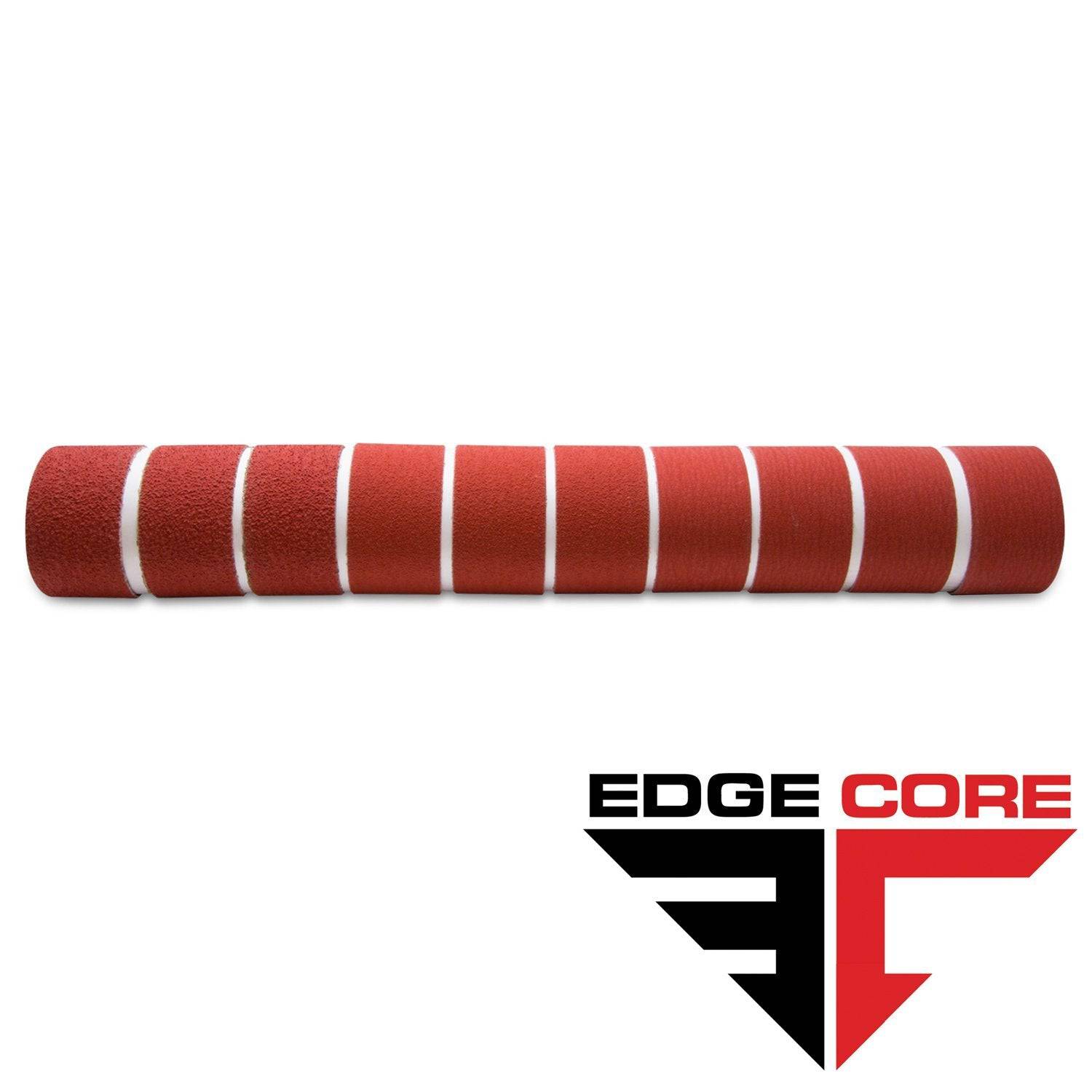
2 X 72 Inch Knife Makers Sanding Belts Assortment
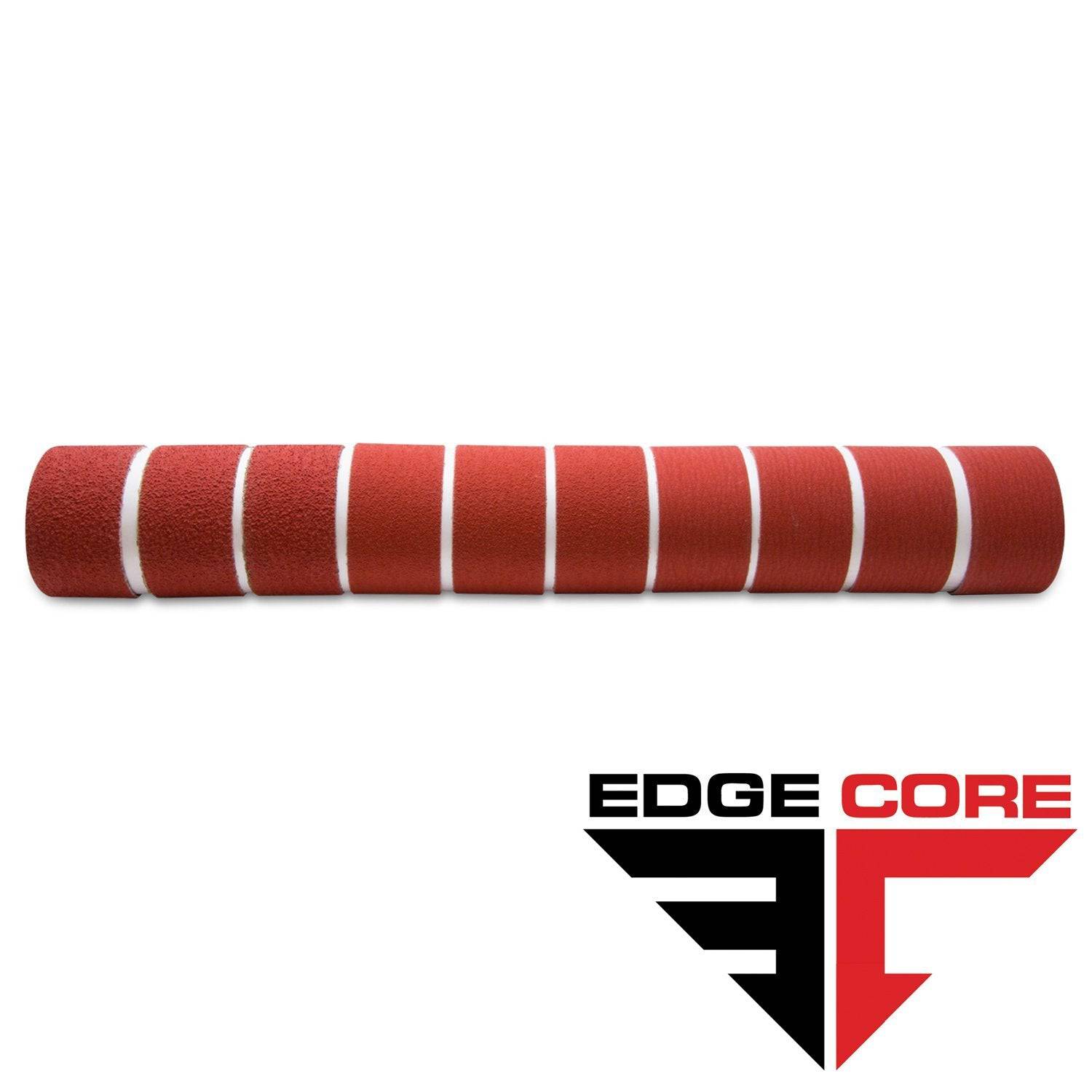
2 X 60 Inch Knife Makers Sanding Belts Assortment
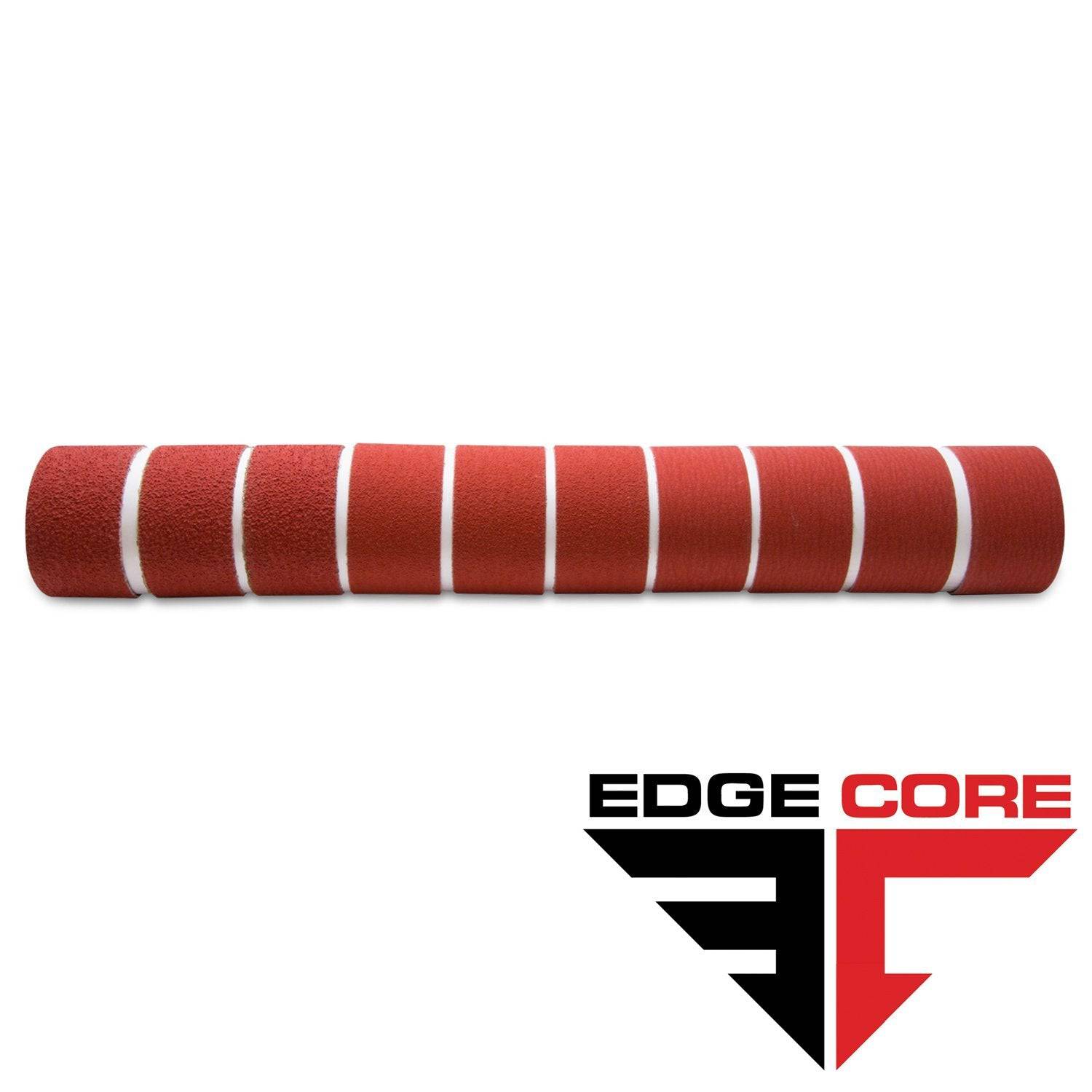
2 X 48 Inch Knife Makers Sanding Belts Assortment
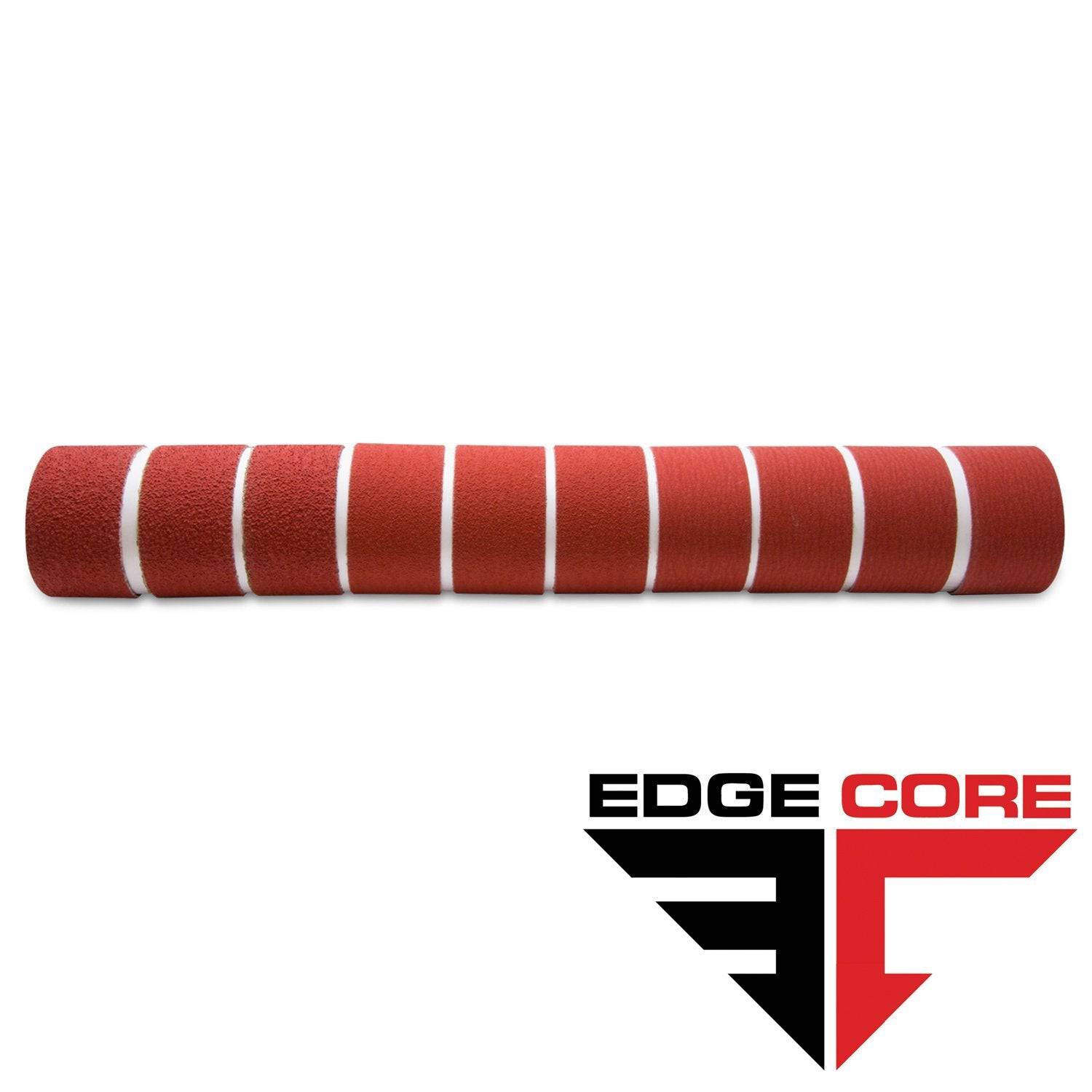
2 X 36 Inch Knife Makers Sanding Belt Assortment
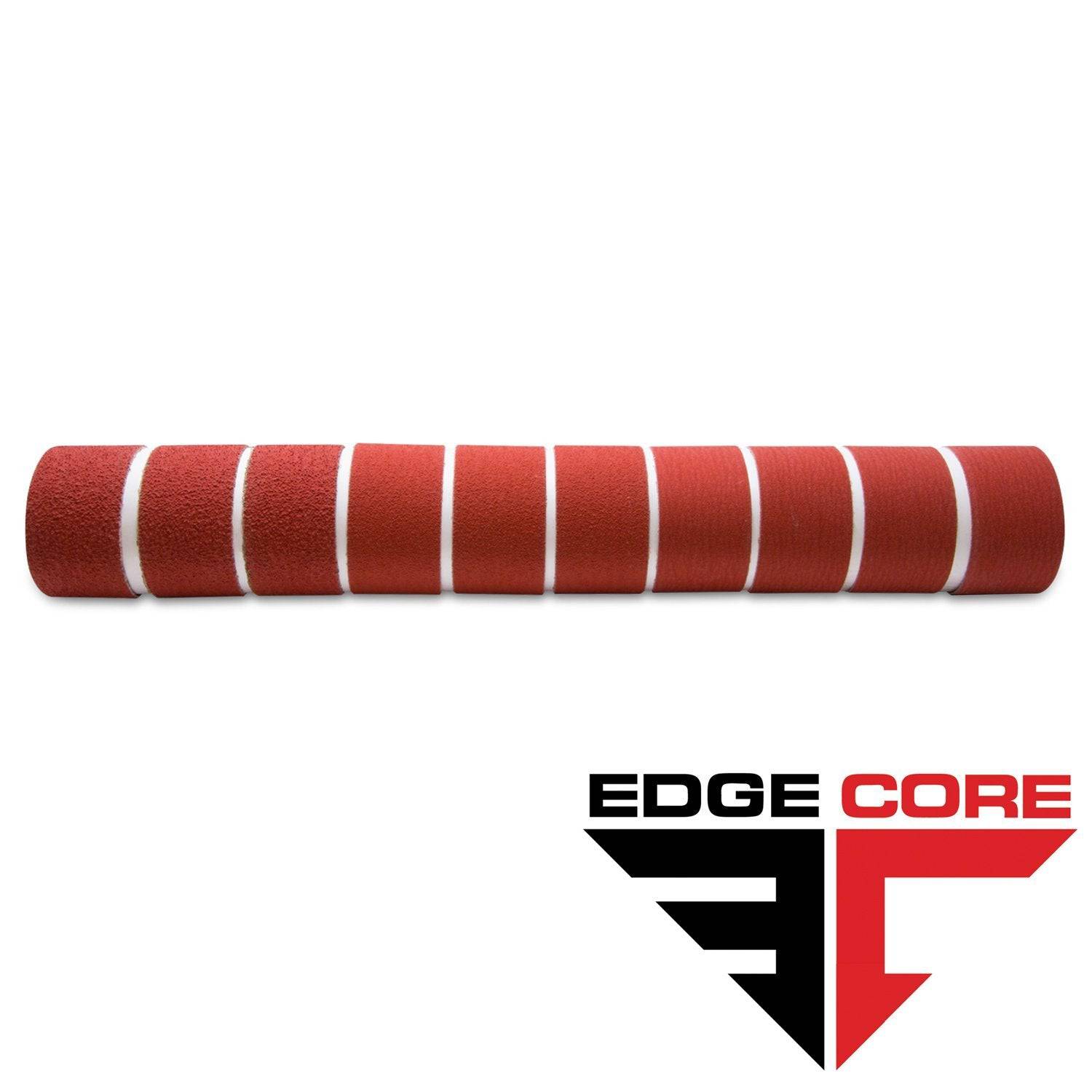
2 X 42 Inch Knife Makers Sanding Belts Assortment
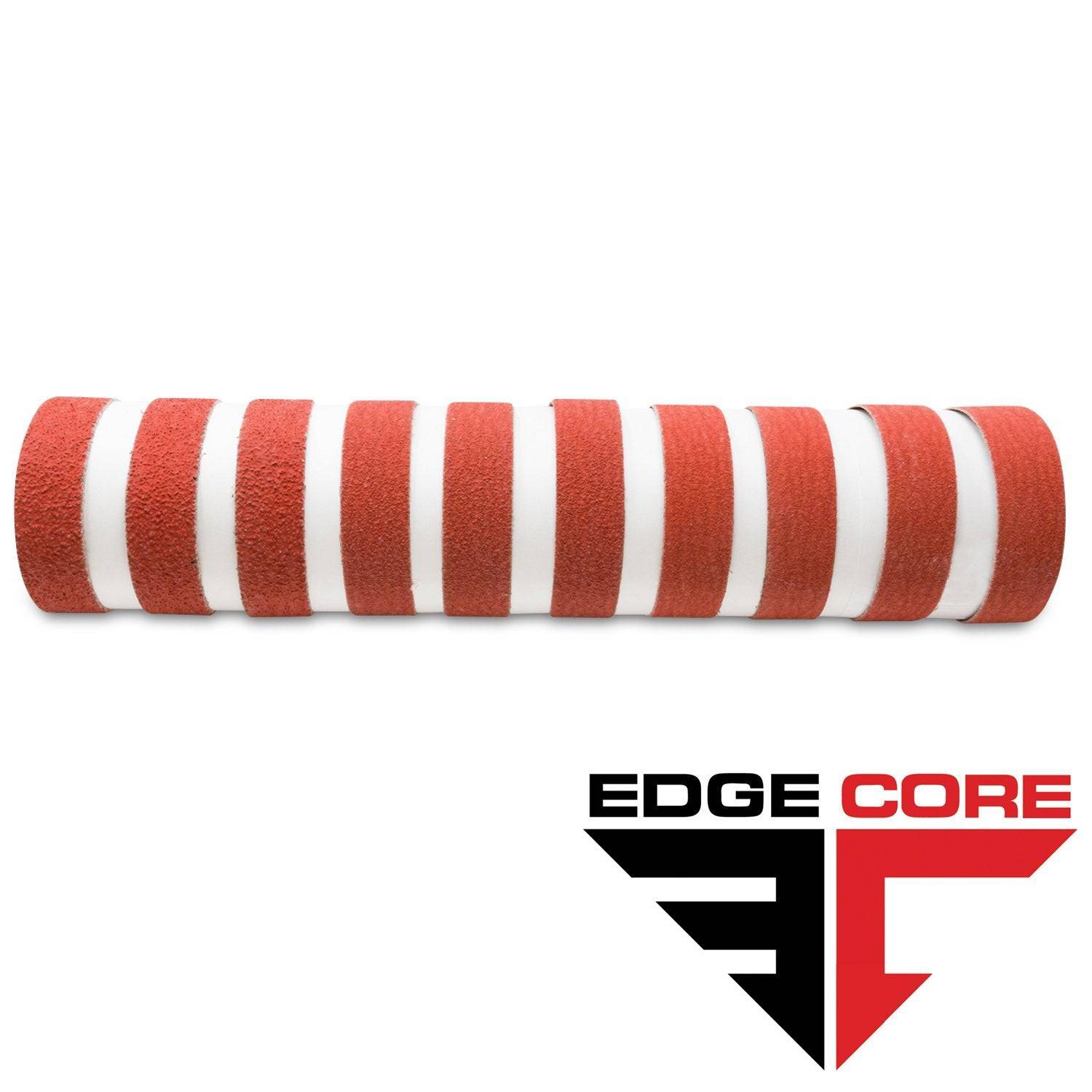
1 X 30 Inch Knife Makers Sanding Belts Assortment
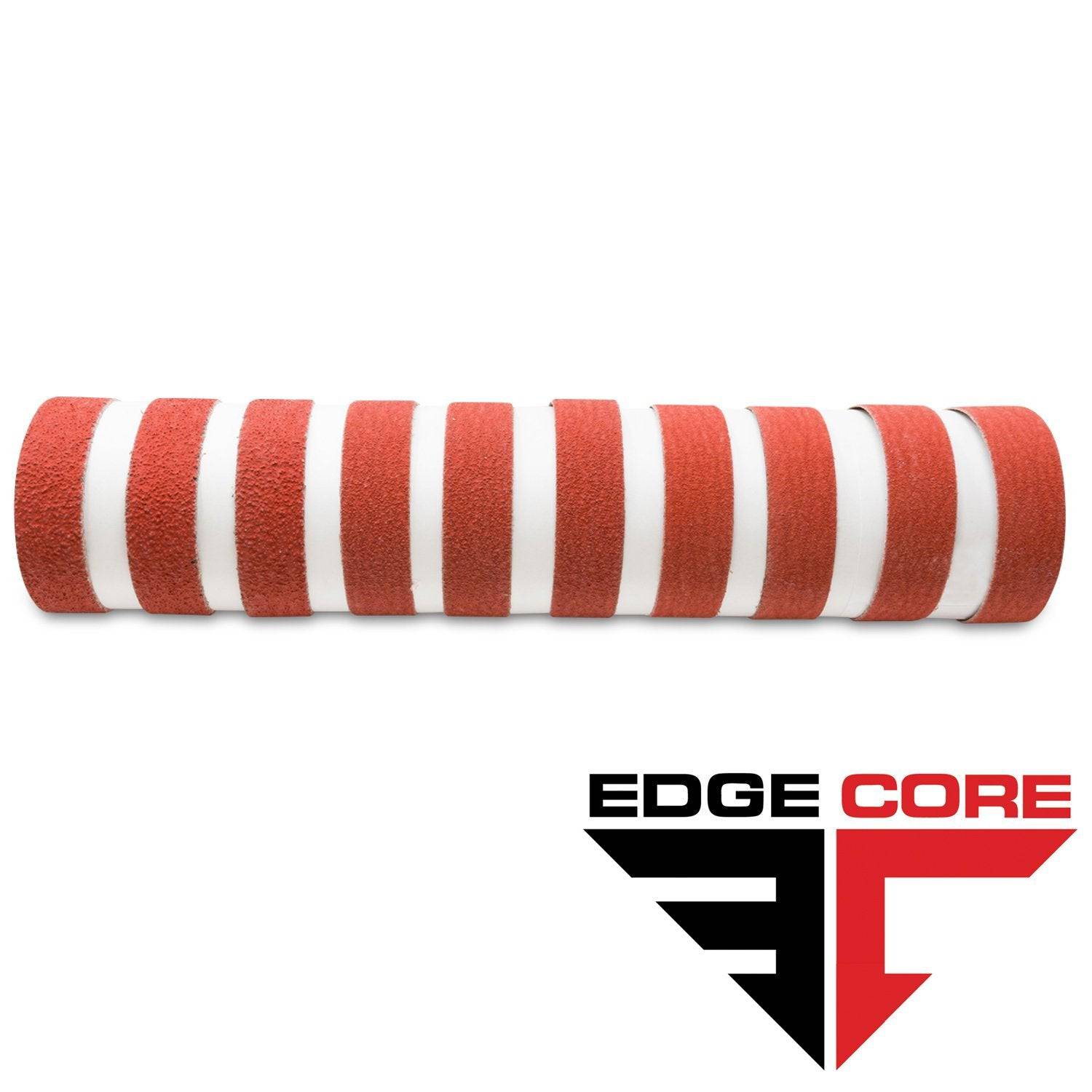
1 x 42 Inch Knife Makers Sanding Belt Assortment