Your Cart is Empty



Key Takeaways
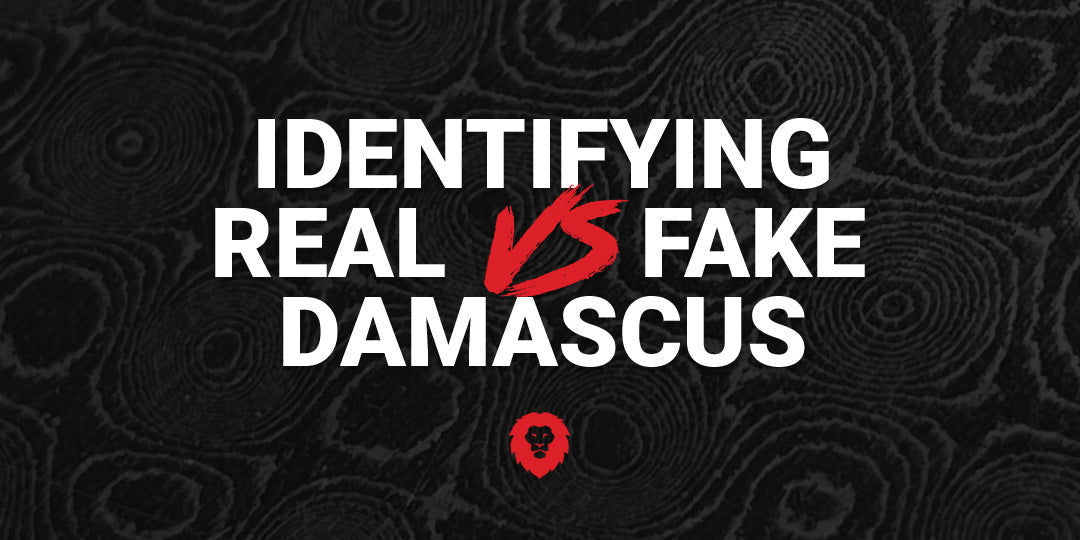
Damascus steel has long been celebrated for its unique appearance. These blades bear distinct patterns, akin to flowing water or swirling smoke, which are as much a testament to the skill of the craftsmen as they are to the unique composition of the steel. Yet as demand for Damascus steel has grown, so has the number of products marketed as Damascus that don't contain genuine pattern-welded steel.
At first glance, distinguishing authentic Damascus steel from an imitation can be difficult. Some counterfeit blades feature etched patterns that mimic the appearance of Damascus. Others use machine-generated designs that appear convincing in photographs but fail under closer inspection. In this guide, we’ll discuss how authentic Damascus gets its distinctive appearance, the warning signs associated with imitation products, and several ways you can verify authenticity before making a purchase.
Historically, Damascus steel referred to blades produced from Wootz steel, which was first developed in India and Sri Lanka around 300 B.C. These raw steel ingots were shipped to Damascus, Syria, where blacksmiths crafted them into magnificent swords.
These ancient Damascus blades were famous in Europe during the Middle Ages for being remarkably hard, flexible, and capable of holding a razor-sharp edge. Their distinctive "watered" patterns originate naturally from the metal's unique crystalline and carbon-rich content. Although the original manufacturing methods have disappeared, the name Damascus steel is still widely used today, only it’s made by combining multiple steels through forge welding and manipulating the result to create visible patterns.
Did You Know? The exact technique for making this original Damascus steel vanished sometime around the 18th century. The history of the disappearance is an ongoing debate, but common explanations include the ores used in India changing, or the bladesmiths who mastered the process never passing down the technique.
As we just mentioned, the famous patterns associated with Damascus steel are created during forging rather than being added as decoration. This manufacturing method, which is outlined in detail below, creates process-specific markers that can help you distinguish genuine Damascus from imitation products.

Once you understand how authentic Damascus steel is made, identifying it becomes much easier. Genuine Damascus has characteristics that reflect its construction, while imitation products rely on surface treatments. Here’s what you want to watch for.
|
Real Damascus Steel
|
Fake Damascus Steel
|
When you own the blade or are working with Damascus steel stock, a sand-and-re-etch test can provide strong evidence of authenticity. Here’s how it works:
Pro Tip: Ferric chloride and other etching solutions should be handled carefully. Gloves, eye protection, and adequate ventilation should be used throughout the procedure. Following the manufacturer's instructions helps reduce unnecessary risks during testing.
Reputable knife makers and manufacturers are usually willing to discuss the materials and methods used to create their products. Their answers can help you determine if a blade is genuine Damascus steel or a decorative imitation.
Refinishing is an important part of Damascus steel maintenance, but it can also highlight authenticity. Here’s how:
Refinishing can serve as both a maintenance technique and an authentication tool. Authentic Damascus retains the characteristics created during forging, even after surface material has been removed. Imitation products lack this advantage because their appearance depends on treatments applied to the exterior rather than the material beneath it.
The next time you examine a Damascus knife, look beyond the pattern on the blade face. Inspect exposed surfaces, check the design for natural variation, and consider the information provided by the seller. A careful evaluation can help you separate authentic Damascus steel from imitations and appreciate the craftsmanship behind genuine pattern-welded blades.
At Red Label Abrasives, we serve hobbyists and professional knife makers by providing premium quality abrasives. Our knife making kits support all stages of the blade formation process, equipping you with the resources you need to create a professional finish on your Damascus steel. To learn more about our products or place an order, please call 844-824-1956 or fill out our contact form.
Damascus steel can rust if it contains high-carbon metals, which is common in many pattern-welded blades. Moisture, humidity, and acidic substances can contribute to corrosion when a knife is not properly maintained. Regular cleaning, thorough drying, and occasional oiling help protect the blade. Stainless Damascus options are available, but corrosion resistance varies by composition.
Yes, Damascus steel is commonly used for everyday carry knives. Many manufacturers combine appearance and performance by selecting metals that provide good edge retention and durability. The quality of the blade depends on the materials used, heat treatment, and workmanship. A well-made Damascus knife can perform just as reliably as many non-Damascus alternatives.
Damascus patterns vary because each billet is manipulated during forging. Twisting, cutting, restacking, and other forging methods create different visual results. Even when a maker follows the same general method, small variations during production can influence the finished appearance. This natural variation is one reason authentic Damascus steel remains highly sought after by collectors and knife enthusiasts.
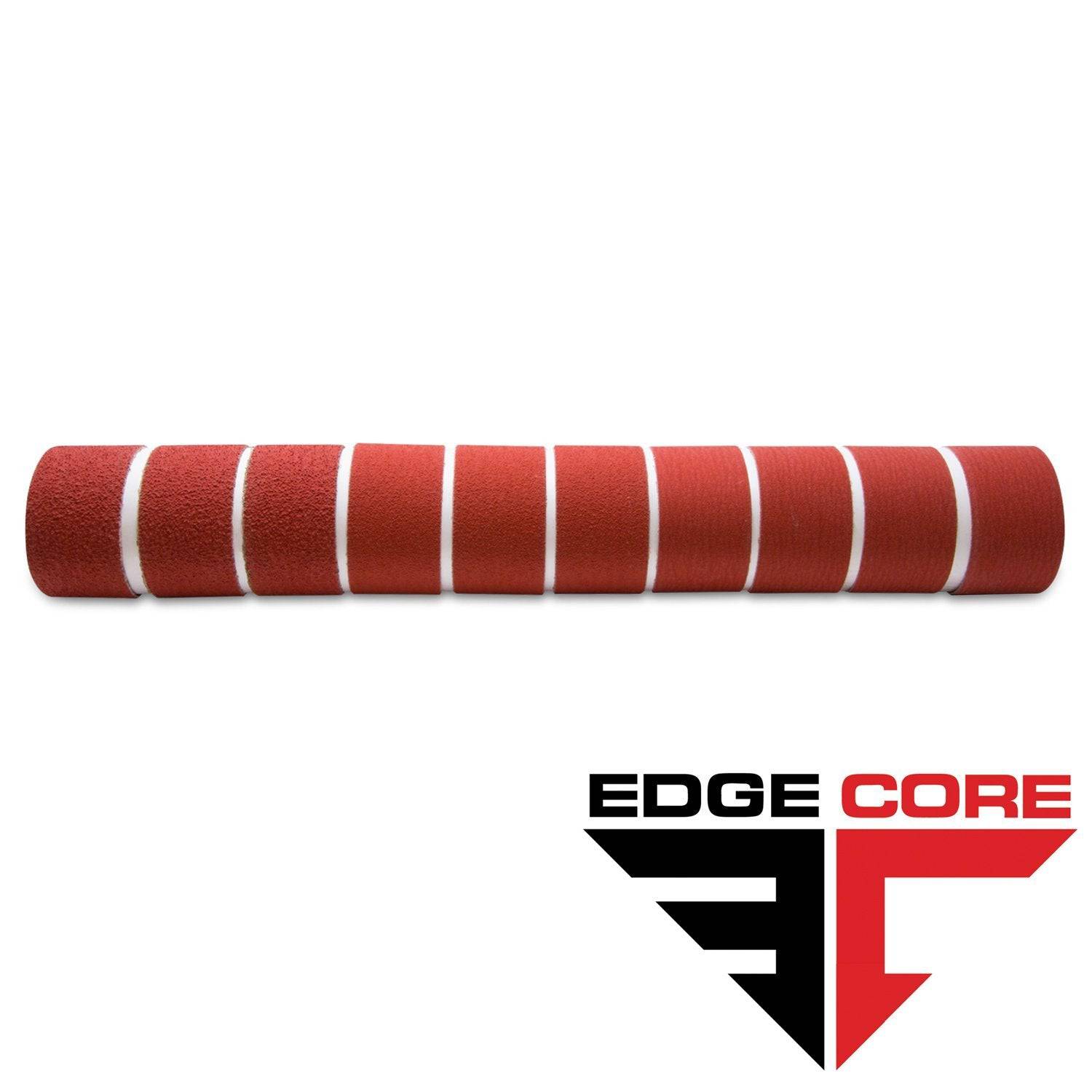
2 X 72 Inch Knife Makers Sanding Belts Assortment
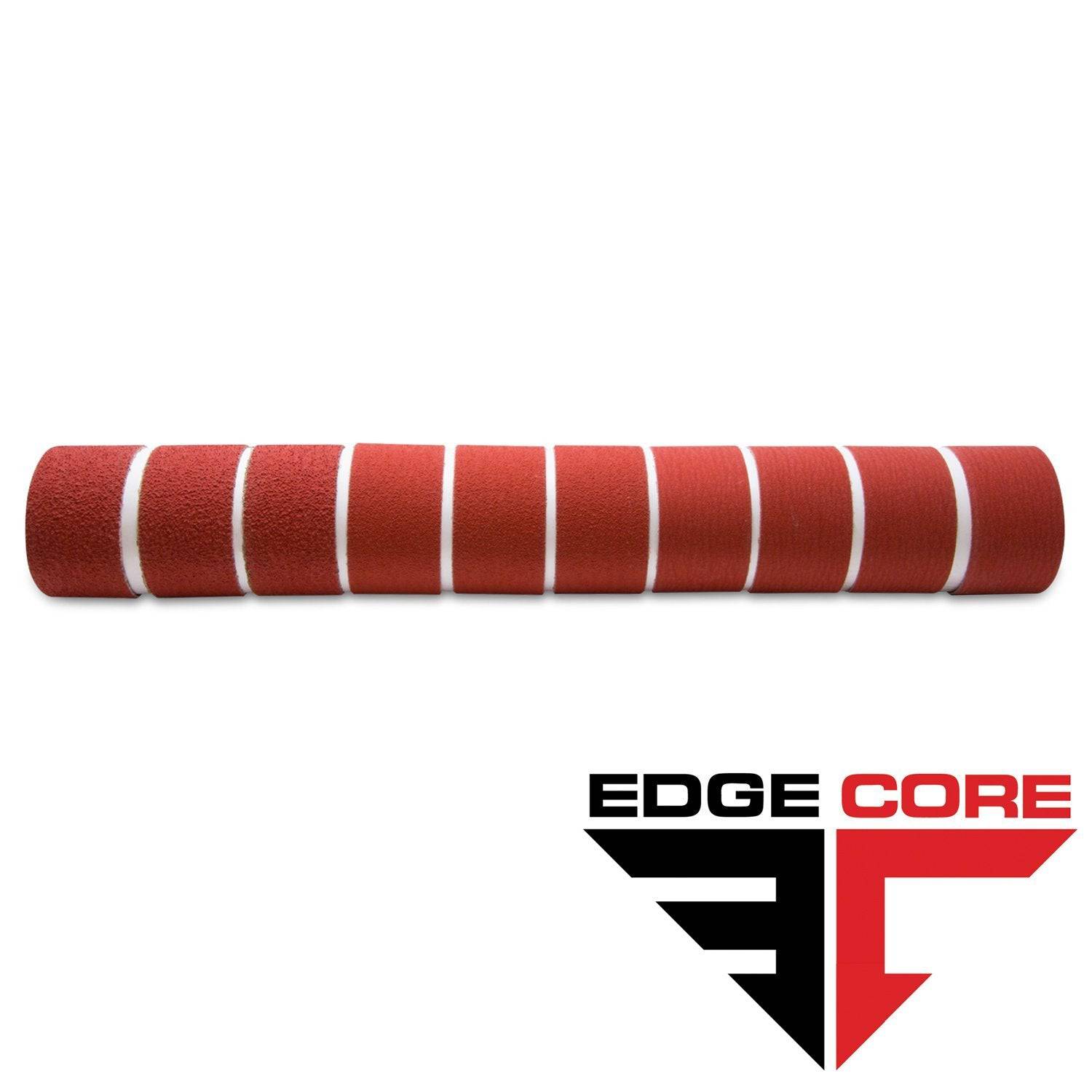
2 X 60 Inch Knife Makers Sanding Belts Assortment
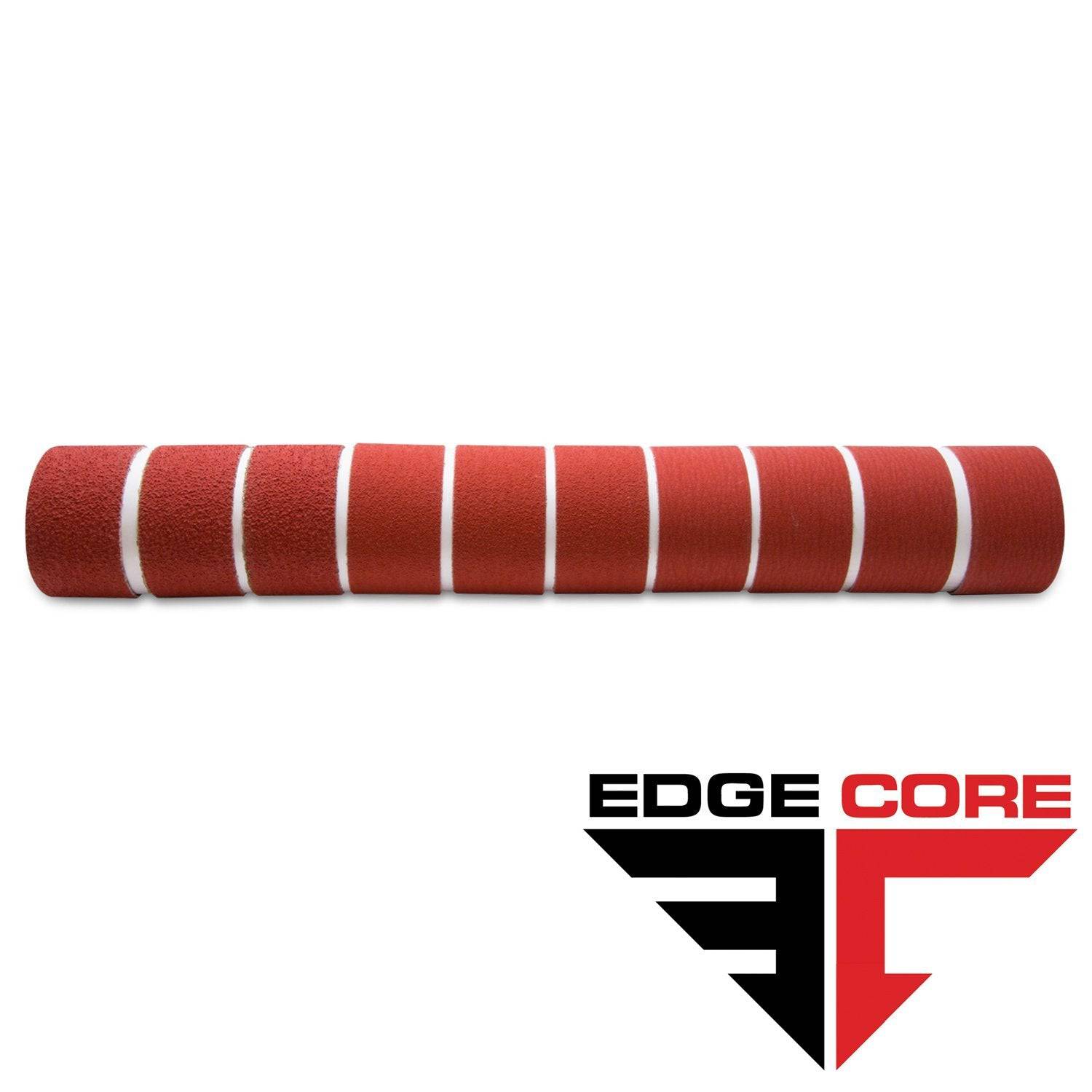
2 X 48 Inch Knife Makers Sanding Belts Assortment
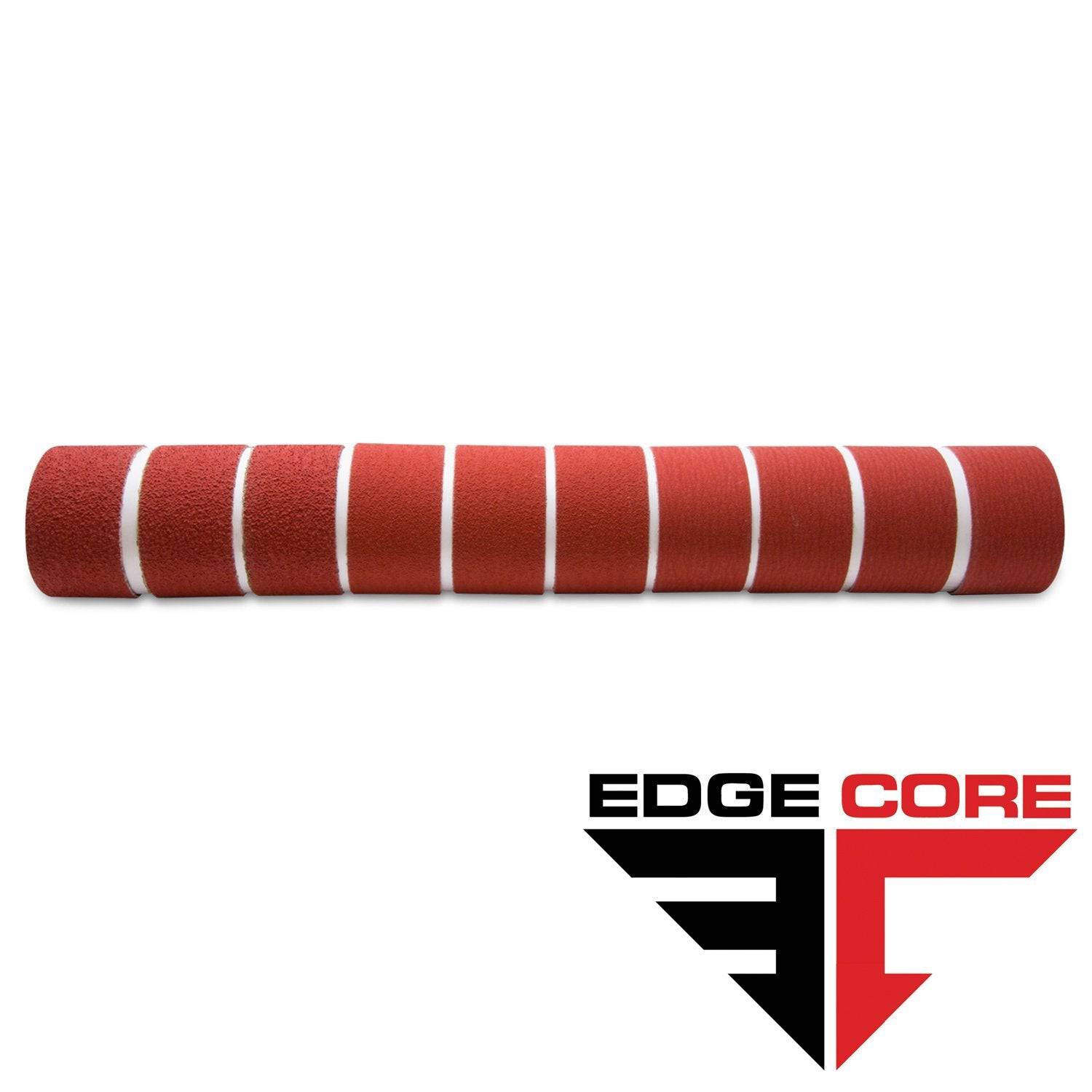
2 X 36 Inch Knife Makers Sanding Belt Assortment
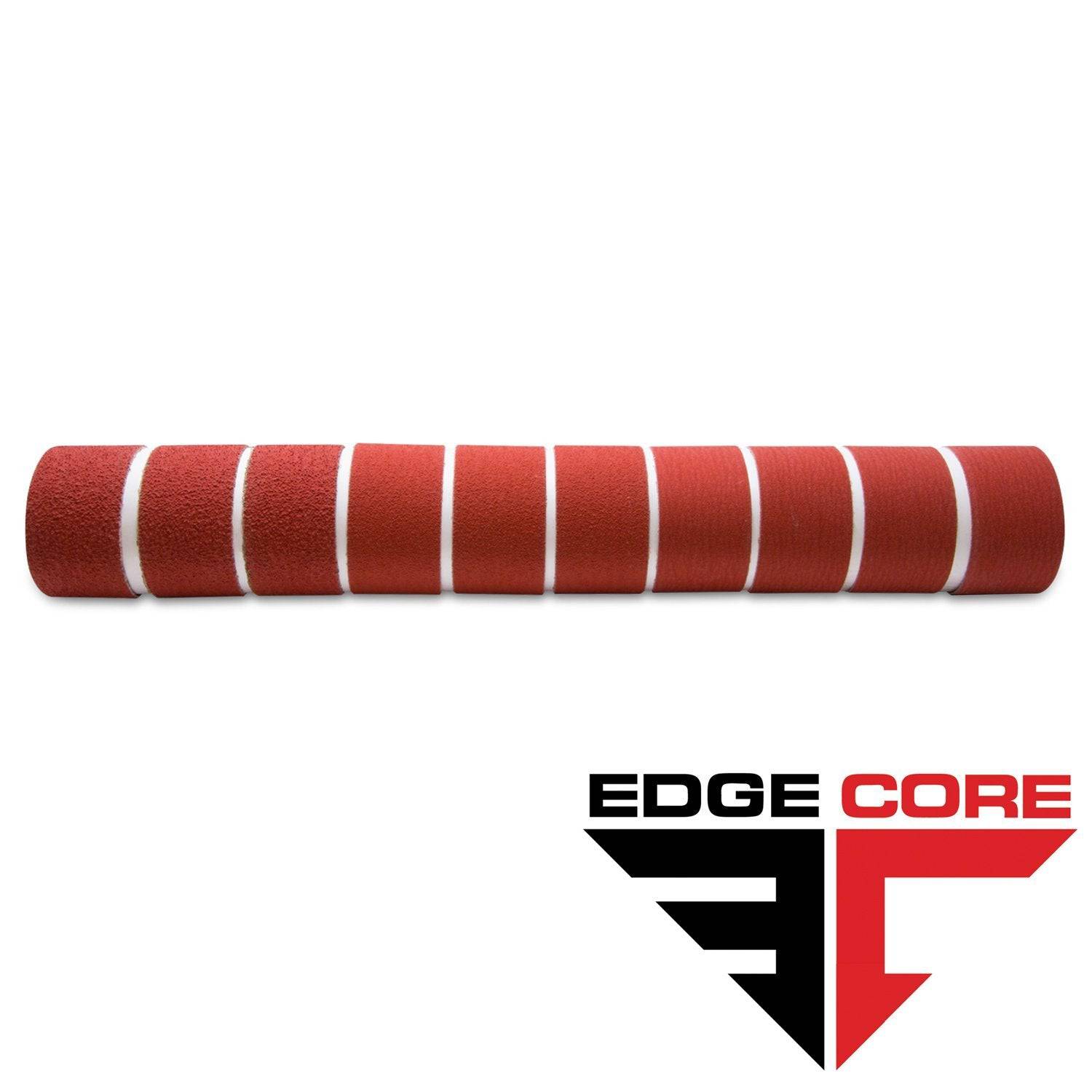
2 X 42 Inch Knife Makers Sanding Belts Assortment
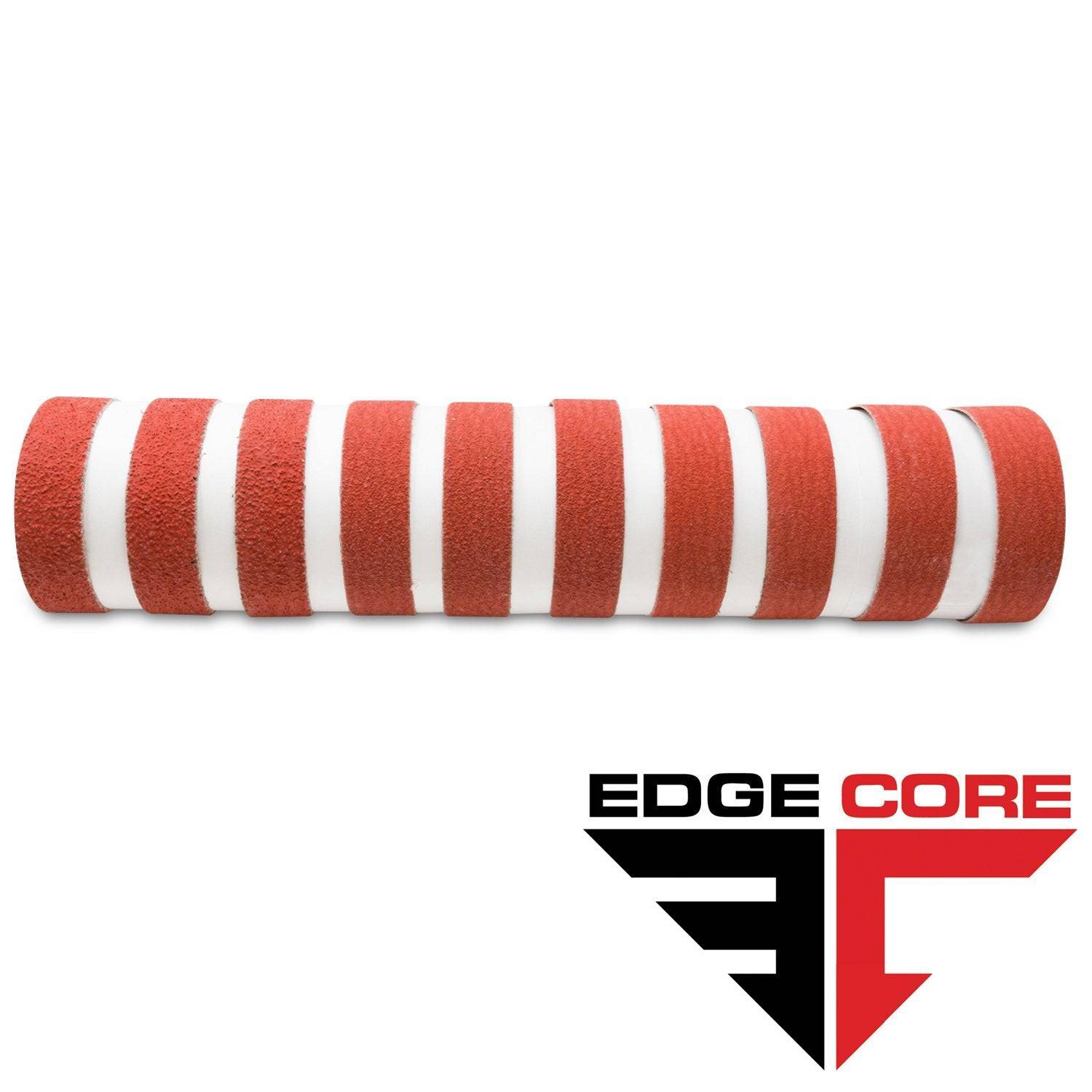
1 X 30 Inch Knife Makers Sanding Belts Assortment
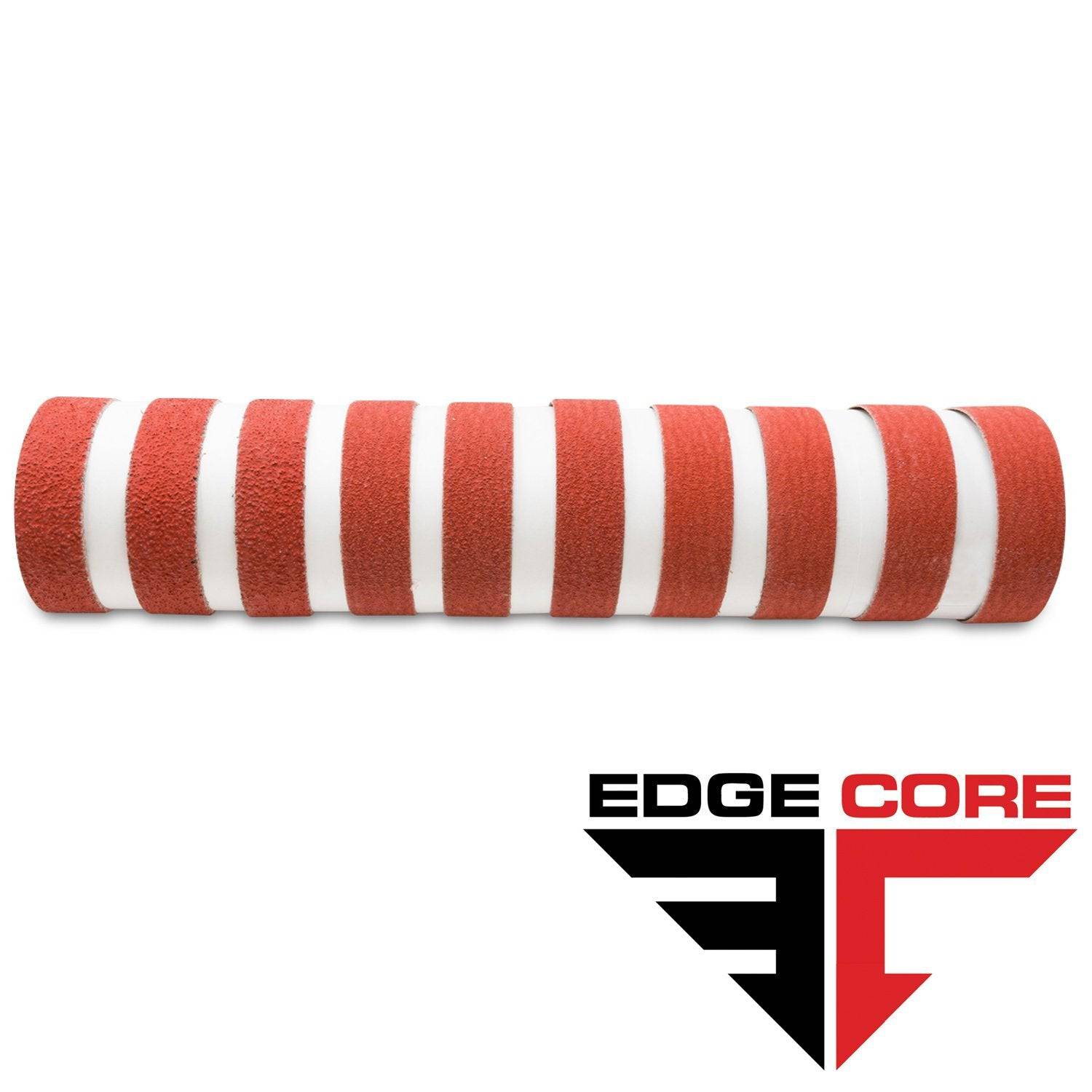
1 x 42 Inch Knife Makers Sanding Belt Assortment