Your Cart is Empty



Key Takeaways
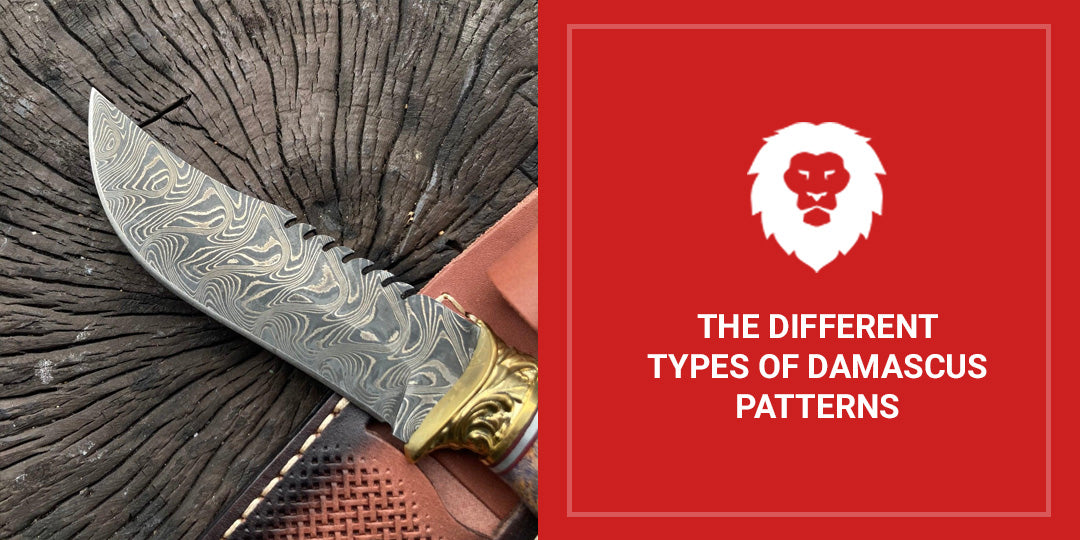
Damascus steel is one of those rare blends of art and utility. Before you’ve even had the chance to give the blade a test run, you’re going to be impressed by the legendary Damascus patterns: flowing lines, swirls, and waves moving across the surface. The result of a bladesmith’s craft, they’ve been capturing attention for centuries.
Today, the term ‘Damascus steel’ refers to the pattern-welded variety: blades made by layering two or more types of steel, forge welding them together, and manipulating the billet to create the striking surface patterns. This is distinct from historical wootz Damascus, the ancient steel from South Asia and the Middle East. Modern pattern-welded Damascus is its own art form, and a thriving one.
In this guide, we’ll cover the most common Damascus patterns, how each one is made, and how to tell them apart. Whether you're shopping for your first Damascus knife or deepening your appreciation for the craft, you'll come away with a clearer picture of what makes each pattern distinctive.
Damascus pattern welding combines two or more steel alloys with contrasting properties (usually a high-carbon steel with a nickel-bearing steel). The bright and silvery nickel-rich steel resists acid etching, while the high-carbon version etches darker. That contrast is what makes the pattern stand out once the blade is finished.
During production, the bladesmith stacks these steels in alternating layers, heats the billet to forge-welding temperature, and hammers them together until the layers bond. The billet can then be folded and re-welded repeatedly to multiply the layer count. A starting stack of just eight layers becomes sixteen after one fold, thirty-two after two, and so on.
Layering alone doesn't create a pattern, though: manipulation does. Common techniques include:
Once the blade is shaped and ground, the smith applies an acid etch (typically ferric chloride) to the surface. The acid reacts differently with each alloy, darkening the high-carbon steel while leaving the nickel-rich steel bright. That chemical reaction brings the pattern to life.
Did You Know?
In the Middle Ages, what we call Damascus steel was made using a material known as wootz steel. During crucible steel production, iron ore was heated in sealed clay containers along with carbon-rich materials like charcoal. Unlike most medieval ironworking, this method fully melted the metal, allowing it to absorb a high amount of carbon and form a uniform steel when cooled.
As the molten steel solidified slowly inside the crucible, it produced small ingots with distinctive carbon distribution. These ingots were then carefully forged into blades using relatively low temperatures and controlled hammering. When the finished blade was polished and lightly etched, they transformed into rippling, wave-like designs.
Damascus smiths have developed dozens of recognizable patterns over the years. Some are beginner-friendly; others take years to master. The ten patterns below represent the most widely recognized styles you'll encounter.

The ladder pattern is one of the most recognizable in Damascus steel. It gets its name from the repeating horizontal lines that run across the blade, resembling the rungs of a ladder. To make it, the bladesmith grinds a series of grooves into the billet before forging it flat. Those grooves interrupt the layered steel and, when hammered back down, create the characteristic stepped lines across the surface.

The twist pattern has a swirling, corkscrew-like grain that mimics frozen motion. It's made by heating the billet and twisting it along its length before forging it back into shape. Tight twists produce a fine, dense swirl, while looser ones create broader, more sweeping lines. Smiths can also combine multiple twisted bars to build more elaborate variations.

The raindrop pattern has an organic, almost natural quality to it. Circular shapes (some tight and eye-like, others broader and softer ) are scattered across the blade, creating a fluid effect. The smith produces it by drilling or pressing a series of dimples into the billet, then forging it flat. Each dimple pulls the contrasting steels into a circular form while the flattening spreads those circles out into the raindrop shapes visible on the finished blade.

With the feather pattern, a strong central line runs down the blade with branching lines fanning out on both sides, mimicking the structure of a feather or quill. To achieve it, the bladesmith has to split the billet and manipulate it so the interior grain mirrors itself across a central axis. It's an advanced technique, but the payoff is a blade that looks as much like a piece of art as a cutting tool.

Mosaic Damascus takes pattern welding to a whole new level. Instead of manipulating a single billet to produce flowing lines, the smith adds images or geometric shapes directly into the steel by pre-arranging tiles, rods, or cut sections of contrasting alloys before welding them together. The results can include stars, skulls, logos, flowers, or repeating geometric motifs. When the billet is cut and etched, the image appears on the blade face.

The random pattern is exactly what it sounds like: an organic, non-uniform flow of lines with no intentional repetition or symmetry. It's the result of minimal manipulation after the initial layering and folding: the smith lets the steel do what it does naturally rather than forcing it into a predetermined shape. The grain flows differently on every piece, which gives each blade its own character.

The W twist pattern (also called the Turkish twist) has sharp, zigzagging lines that cut across the blade in a high-contrast geometric flow. It's made by manipulating the billet into a W-shaped configuration, then twisting or restacking those sections before forging. The angular manipulation preserves the hard edges of the W shape even after the blade is ground and etched.

The herringbone pattern brings a textile-like quality to steel. V-shaped lines repeat across the blade in alternating directions, producing the same geometric symmetry you'd find in a woven fabric or hardwood floor. Smiths achieve it by stacking multiple twisted bars with alternating directional orientations, then forge welding them together. The opposing twists create the V-shaped chevrons visible on the finished surface.

The tile pattern (sometimes called the explosion pattern) looks like the blade surface has been shattered and reassembled. High-contrast fragments of steel meet at irregular angles, giving the finished blade a fractured, almost chaotic appearance. To make it, the smith cuts the billet into individual tiles, rearranges them deliberately, and forge-welds the sections back together. The rearrangement breaks up any directional grain and replaces it with sharp, discontinuous segments.

The snakeskin pattern does what its name promises: the blade surface takes on the look of reptile scales, with a repeating texture that’s exotic and tactile. Smiths use specialized dies or presses to imprint a scale-like texture into the billet before forging, and the contrasting alloys bring that texture into sharp visual relief once the acid etch is applied. It's not a common pattern, which makes it appealing for buyers looking for something genuinely unusual.
Two Damascus blades made with the same pattern can look different from each other. That's because the final appearance of any pattern is shaped by a handful of variables.
When deciding which Damascus pattern to go with, you may focus on which one you find more visually appealing. But you’ll also want to think about the buyer’s budget and the blade’s intended use. Here’s what you need to know.
Intended use is important. For example, kitchen knives tend to pair well with cleaner, more regular patterns like ladder or raindrop. Collector and display pieces are where the more elaborate patterns, like mosaic, feather, and tile, become popular. For a hunting knife or a hard-use camp blade, the pattern is secondary to steel selection and heat treat, so a simpler random or twist pattern works well.
Buyers who want a blade that looks refined and traditional tend to gravitate toward ladder, twist, or herringbone. Those who want something bold and high-contrast often go for W twist or tile patterns. Those who want a blade that looks unlike anything else in their collection tend to choose mosaic or feather Damascus.
Simpler patterns like random and twist need less labor and planning than mosaic or feather Damascus. That difference in time and skill shows up in the price. A well-made random pattern blade from a reputable smith is a legitimate and attractive option at a lower price point. A mosaic Damascus blade commands a premium because of the work that goes into it.
Pro Tip: Pattern complexity has no bearing on cutting performance. A mosaic Damascus blade isn't sharper or tougher than a random pattern blade made from the same steels with the same heat treat. Performance comes from steel selection, layer count, and how the blade was hardened and tempered.
Pro Tip: Watch out for fake Damascus! Some blades are sold with Damascus-like patterns that are etched, laser-etched, or acid-printed onto the surface of plain steel rather than forged into the billet itself. These blades have no layering beneath the surface. The pattern is purely cosmetic and will disappear with any grinding or heavy use.
Damascus steel, especially the high-carbon varieties used in pattern welding, needs a bit more attention than a stainless steel blade. The same properties that make it so attractive also make it more reactive to moisture and neglect.
Damascus steel patterns are as varied as the smiths who make them. From the clean regularity of the ladder to the painstaking art of mosaic Damascus, their diversity is part of what makes them so compelling to collectors, makers, and everyday knife users alike.
At the center of every great Damascus blade is the quality of the abrasives used to bring it to life. Grinding, finishing, and polishing are where the pattern reveals itself, so the tools you use at that stage are key: a poorly finished blade buries the pattern while a well-finished one puts it on full display.
Red Label Abrasives carries a full range of sanding belts, sanding discs, and sanding sheets built for exactly this kind of work. Our industrial-grade abrasives are made for knife makers who care about results: shop direct with us and get factory-quality abrasives delivered straight to your door. To learn more about our products or place an order, please call 844-824-1956 or fill out our contact form.
In most cases, no. The distinctive pattern is mainly visual, revealed through etching that highlights differences between steels or internal structures. High-quality blades are polished smooth, so the surface feels even despite the visible design. However, in some cases, especially with deeper etching or certain finishes, you might detect a faint texture. This is more common in decorative or rustic blades rather than finely finished kitchen knives.
Damascus steel is known for its pattern, but it does not always display one under all conditions. The pattern becomes apparent after polishing and etching, which reveals contrasts between materials or microstructures. Without this finishing process, the steel may appear plain or uniform.
Additionally, poorly made or heavily worn Damascus can lose its appearance over time. True Damascus (whether traditional wootz or modern pattern-welded steel) has differences that create patterns, but they must be properly brought out. So while Damascus inherently has the potential for a pattern, it’s not always immediately visible.
Yes, you can make a sword using Damascus steel, and historically, some of the most famous blades were crafted this way. Traditional wootz-based Damascus steel was prized for its strength, flexibility, and sharp edge, making it suitable for swords. Modern pattern-welded Damascus is also commonly used by bladesmiths to create swords.
That said, making a Damascus sword requires advanced skill, as forging, heat treatment, and integrity are critical at that size. While beautiful and functional, Damascus swords today are often as much about artistry as they are about performance.
Damascus steel knives, while visually striking, come with a few drawbacks. Many are made from high-carbon steels, which can be more prone to rust and need careful maintenance, including drying and occasional oiling. They can also be more expensive due to the labor-intensive process of creating the pattern. While high-quality Damascus knives perform well, buyers need to ensure they are choosing reputable products to avoid paying for looks over substance.
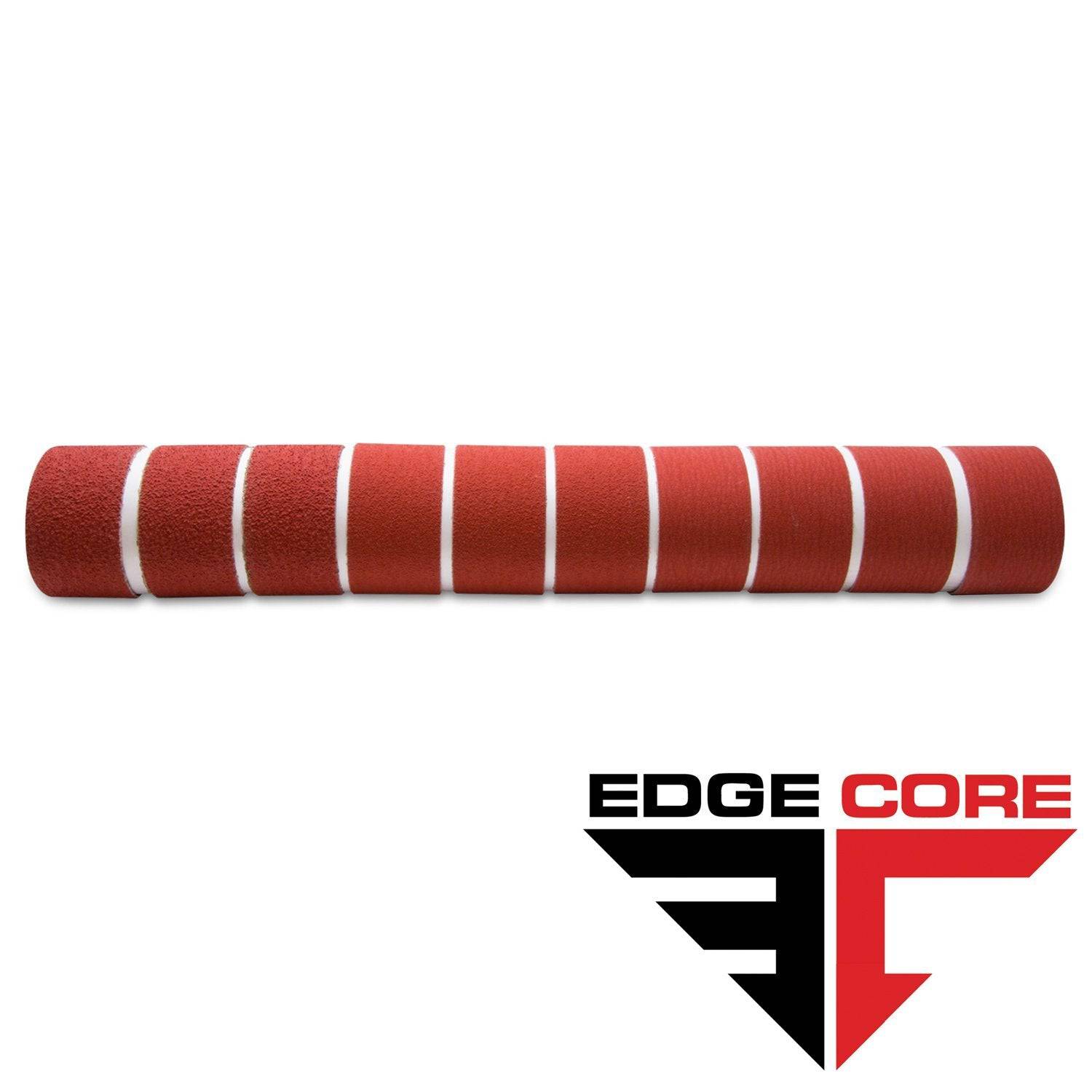
2 X 72 Inch Knife Makers Sanding Belts Assortment
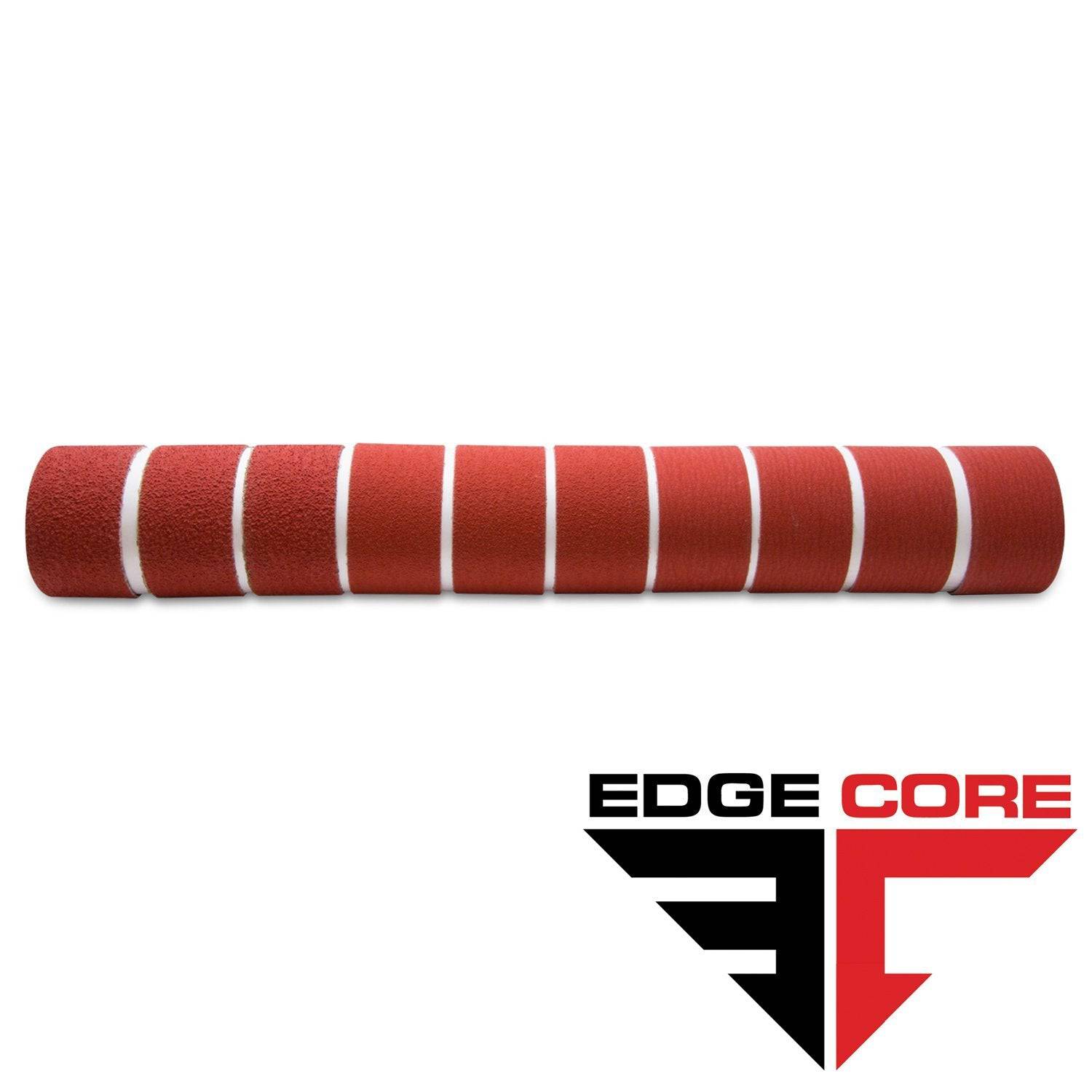
2 X 60 Inch Knife Makers Sanding Belts Assortment
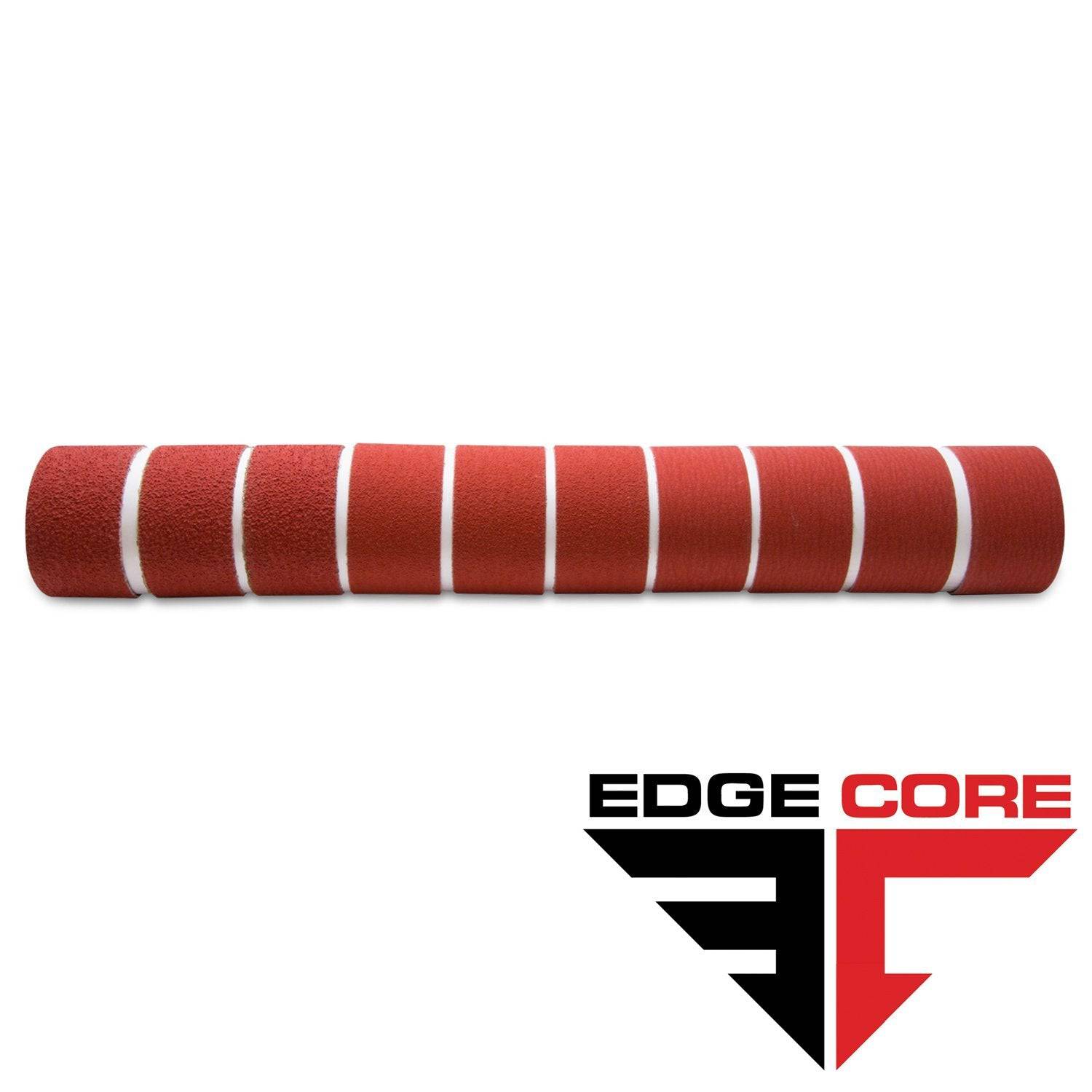
2 X 48 Inch Knife Makers Sanding Belts Assortment
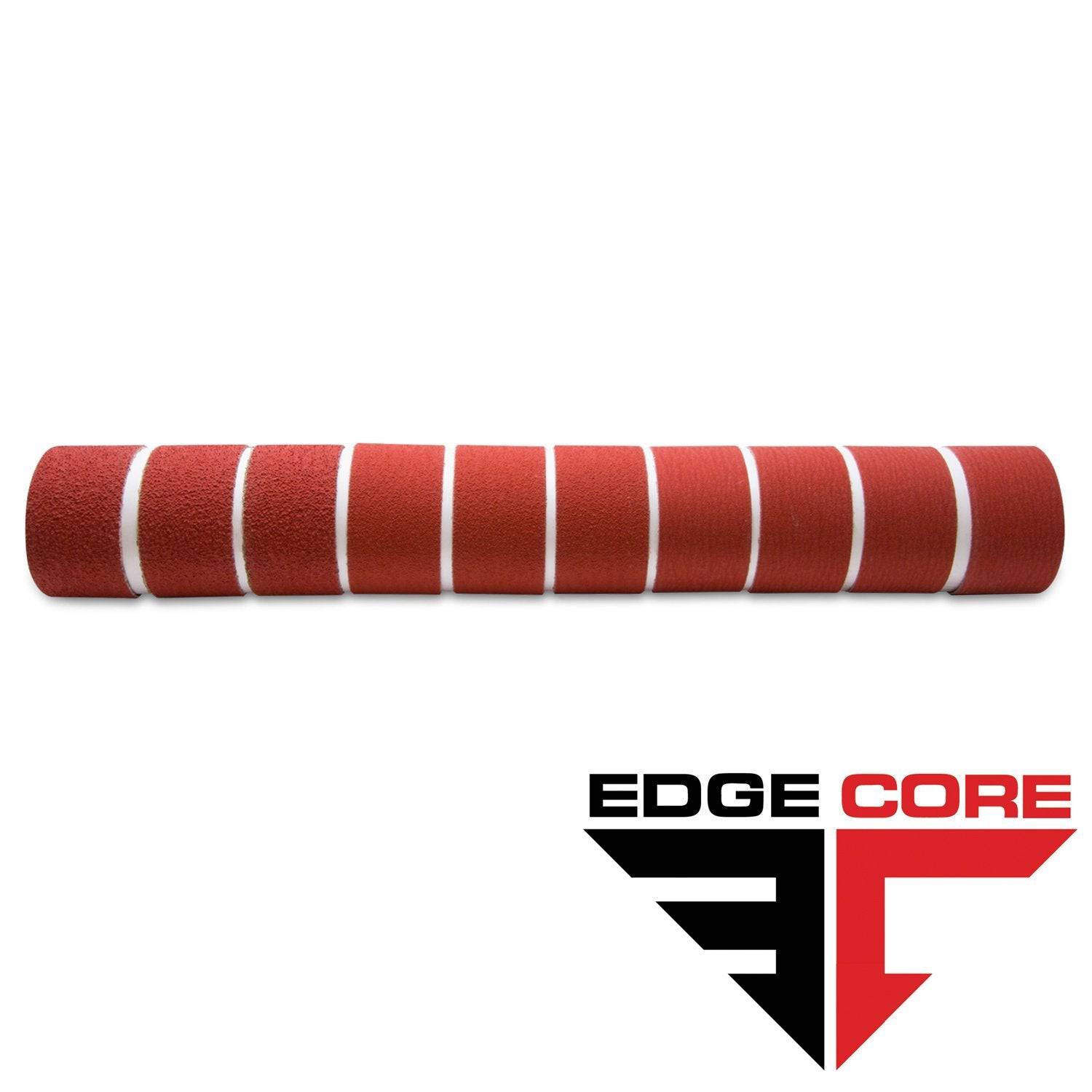
2 X 36 Inch Knife Makers Sanding Belt Assortment
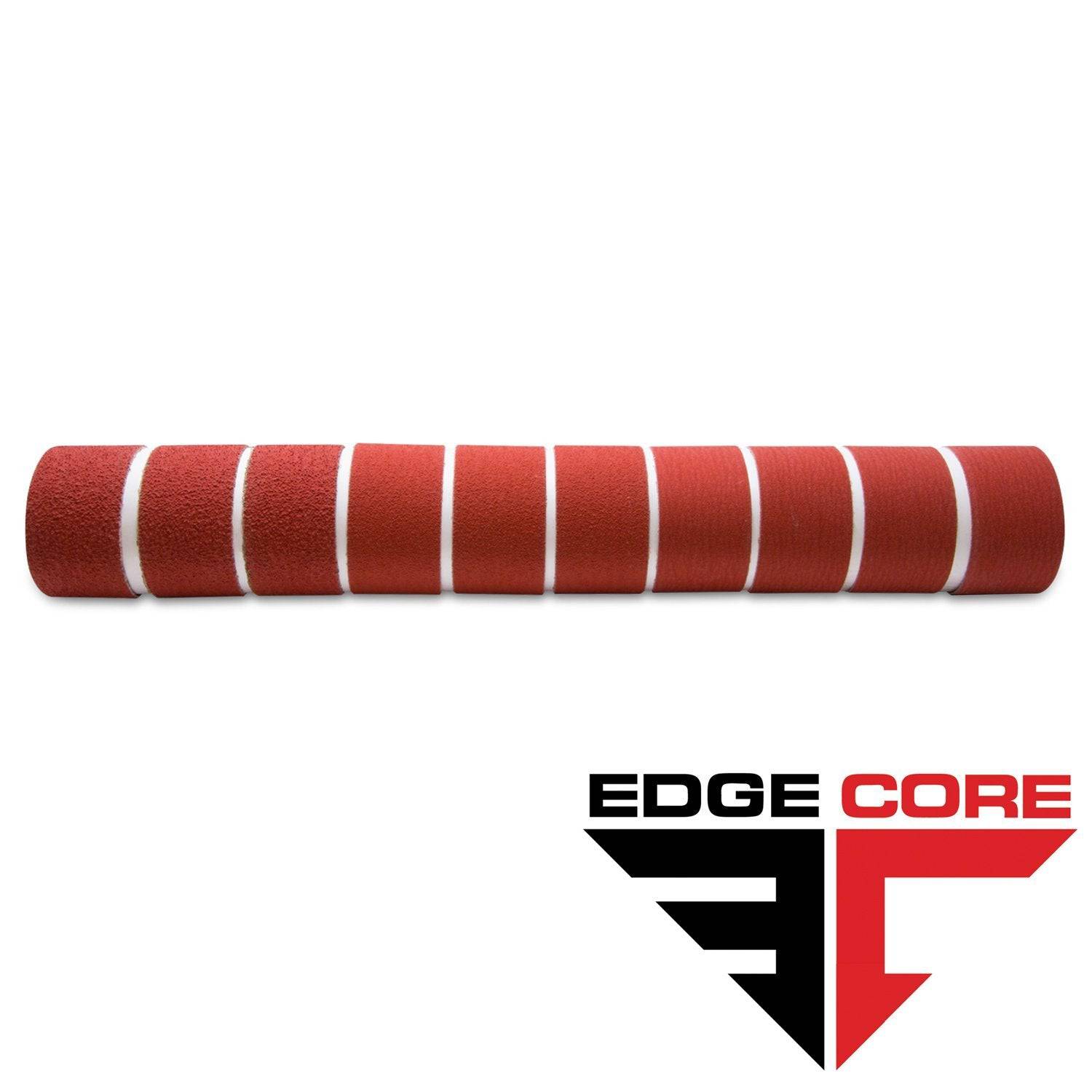
2 X 42 Inch Knife Makers Sanding Belts Assortment
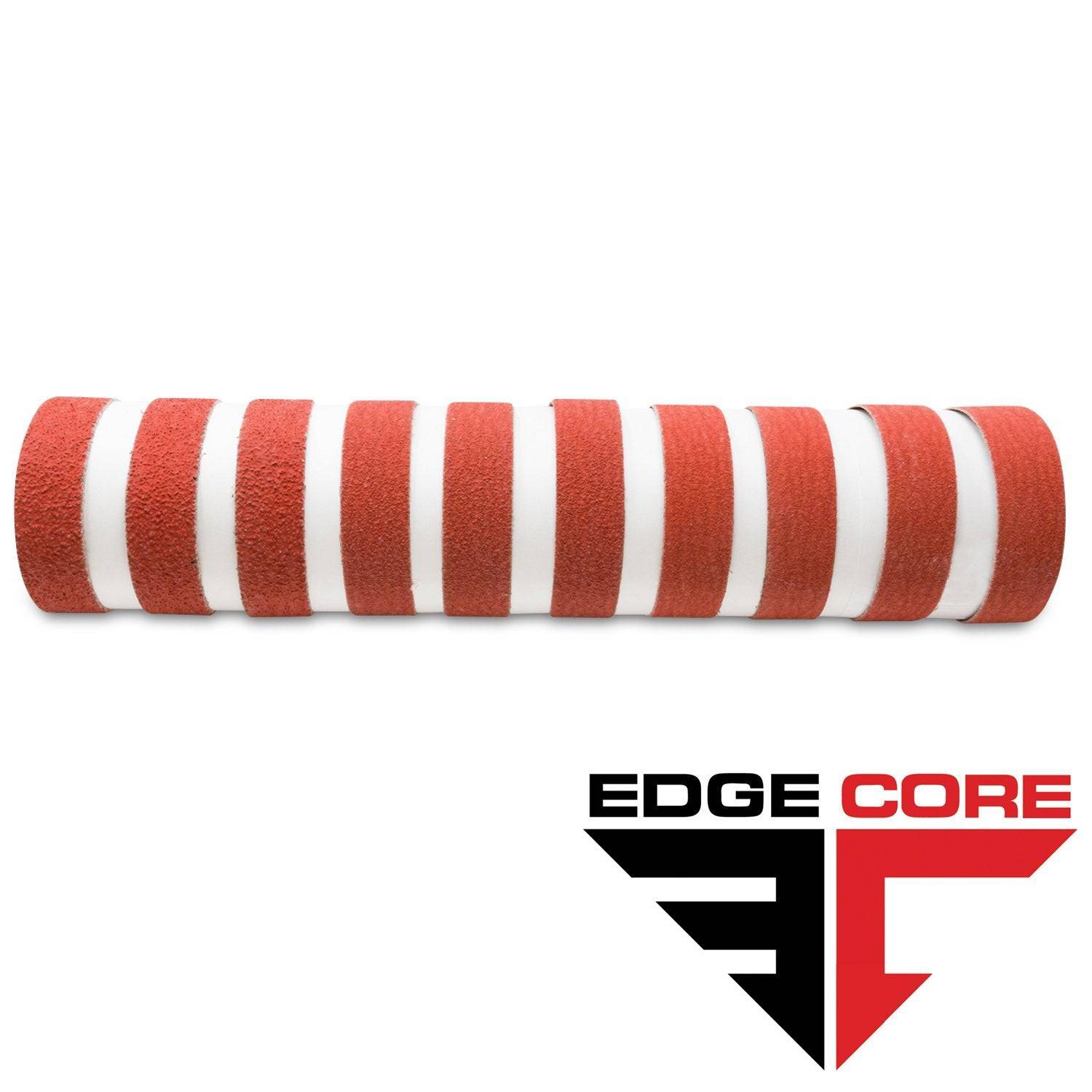
1 X 30 Inch Knife Makers Sanding Belts Assortment
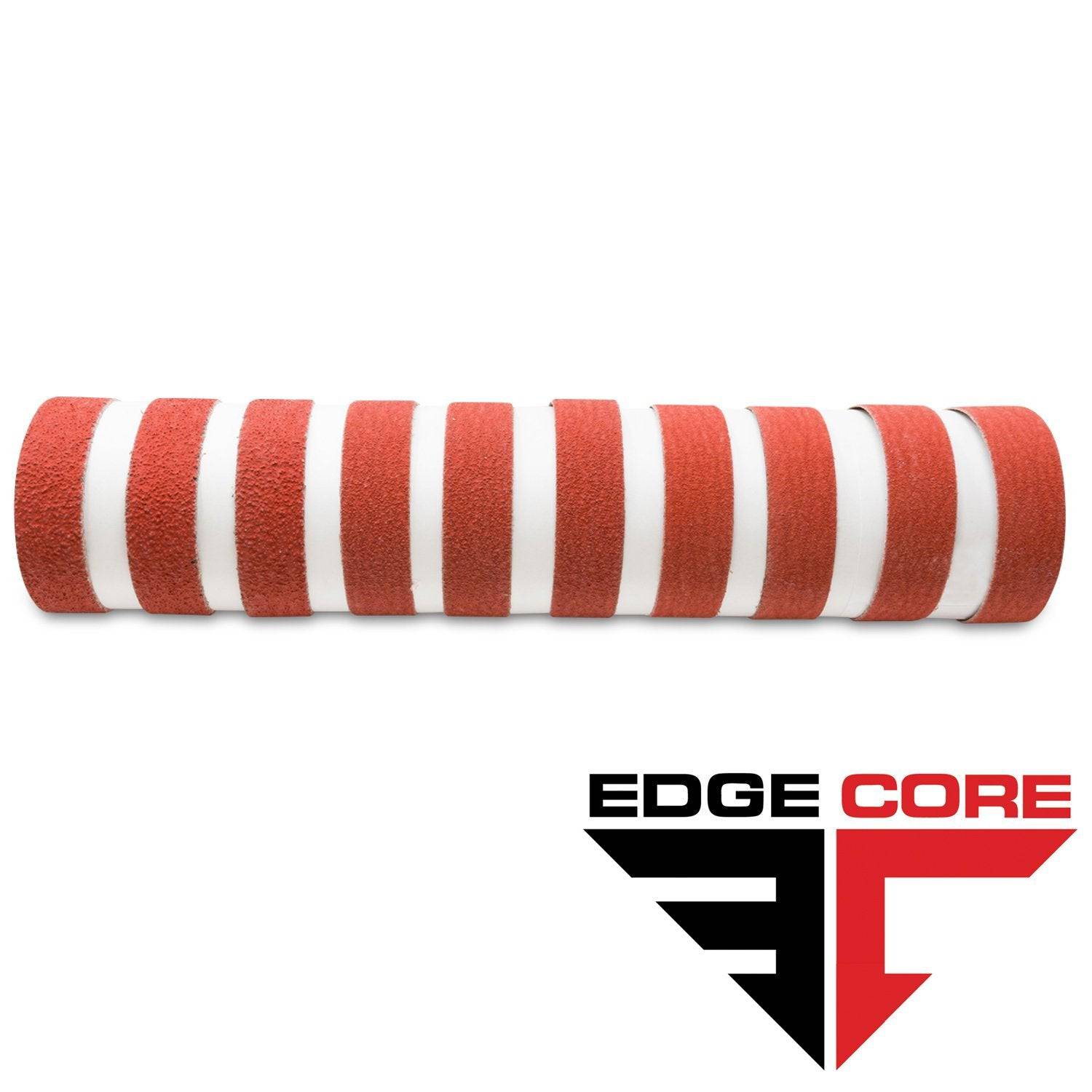
1 x 42 Inch Knife Makers Sanding Belt Assortment