Your Cart is Empty



Key Takeaways
As a knifemaker, you know that the secret to success is working with the right materials. The steel you choose can affect how your blade performs in the field, how long it holds a working edge, and how much upkeep it demands. A well-matched steel supports the integrity of the finished blade from composition to final grind. A poor choice undermines it, regardless of the craftsmanship involved.
Let us start by saying that there's no single best knife steel. What works for a bushcraft fixed blade might be the wrong call for a chef's knife. Steel selection comes down to the knife’s intended use, your budget and skill level, and the trade-offs you're willing to accept. (For example, a steel with exceptional edge retention can be notoriously difficult to sharpen.) In this guide, we’ll cover the most popular categories of knife steel and how to match the right steel to the right knife type.
As you’ve probably seen, the difference between a mediocre blade and a great one starts with the material itself. Here are the core properties that you’ll want to take into account when choosing the steel for your next project.
Knife steel isn't a single material. It's an alloy, a mixture of iron and carbon with additional elements added to achieve targeted performance characteristics. The percentages of those elements, and how they interact during heat treatment, determine everything from hardness to corrosion resistance to how the steel behaves under a grinder.
Two knives made from the same steel grade can perform very differently depending on how they were heat treated. That said, composition sets the ceiling. You can't heat treat your way to properties that the steel's chemistry doesn't support.
The elements in your steel's chemistry directly determine its performance potential. The table below outlines the most common alloying elements found in knife steel and the properties each one contributes.
|
Element |
Primary Contributions |
|
Carbon |
Makes steel hardenable. Higher content improves hardness and edge retention but reduces toughness and increases brittleness at elevated levels. |
|
Chromium |
Improves corrosion resistance and wear resistance. At 13% or higher, the steel qualifies as stainless. Contributes to hardenability and hard carbide formation. |
|
Vanadium |
Forms extremely hard carbides that improve wear resistance and edge retention. Refines grain size, contributing to toughness and the ability to take a fine edge. |
|
Molybdenum |
Improves toughness, hardenability, and resistance to softening at high temperatures. Common in tool steels and modern stainless alloys. |
|
Nickel |
Adds toughness and improves corrosion resistance. Less common in knife steels but appears in several high-performance alloys. |
|
Cobalt |
Increases hardness and helps the steel maintain its properties at elevated temperatures. Found in high-speed tool steels. |
|
Tungsten |
Contributes to wear resistance and hardness at high temperatures. Most common in tool steels and high-speed steels. |
|
Niobium |
Refines carbide formation and grain size, improving toughness and edge stability. Appears in select modern alloys. |
|
Nitrogen |
Can partially substitute for carbon in some stainless steels, improving corrosion resistance and hardness without carbon's trade-offs at higher concentrations. |
Knife steels fall into four broad categories: carbon steel, stainless steel, tool steel, and Damascus. Each has its own properties, trade-offs, and ideal applications, which you’ll want to take into account when making your selections.
Carbon steel has been the backbone of bladesmithing for centuries, and remains a top choice among makers who prioritize sharpness and toughness over corrosion resistance. It's a straightforward alloy, typically iron and carbon with minimal additional elements, and that simplicity is part of its appeal.
The advantages are well-documented. Carbon steel is easy to sharpen, takes an exceptionally keen edge, and has excellent toughness for hard-use applications. It also responds predictably to heat treatment, which makes it a reliable choice for makers at every skill level.
The biggest drawback is equally well-documented. Carbon steel rusts. Without regular cleaning, drying, and light oiling, a carbon steel blade will develop surface rust quickly, especially in humid or wet environments. Owners who carry or use carbon steel knives need to commit to that maintenance routine.
Common carbon steel grades in knifemaking include 1045, 1075, and 1095. Among these, 1095 has earned its place as a favorite for survival and bushcraft knives. It has a carbon content of around 0.95%, which gives it a strong balance of hardness and toughness. It heat treats predictably, holds a working edge well, and sharpens easily in the field with basic equipment.
Stainless steel trades some of carbon steel's raw edge performance for corrosion resistance and lower maintenance demands. For knife owners who don't want to think about rust, stainless is the practical answer.
The chromium content in stainless steel, at least 13% by definition, creates a passive oxide layer on the surface that resists rust and staining. That same chromium content, however, can make some grades harder to sharpen and less tough than comparable carbon steels.
The 400 series stainless steels are the most widely used in production knifemaking. 420 is the most budget-friendly of the group, with good corrosion resistance but modest edge retention. 440A improves on 420 with higher carbon content, offering better hardness and edge holding. 440B steps up further, and 440C sits at the top of the series, with carbon content around 1.0 to 1.2%. At a proper heat treat, 440C delivers solid edge retention and corrosion resistance, making it one of the most versatile stainless options in its price range.
Tool steels were developed for industrial cutting and machining applications, and those same properties translate well to knifemaking. They're built to hold an edge under stress, resist wear, and maintain toughness in demanding conditions.
Damascus steel is forged by layering two or more steel types, repeatedly folding and welding them together to create a billet with visible pattern lines running through the blade. The result is as visually striking as it is functional.
The performance of a Damascus blade depends entirely on the steels used in the billet and the quality of the forge work. A well-forged Damascus blade combining a tough, low-carbon steel with a high-carbon cutting steel can deliver excellent performance. A poorly forged billet, however, introduces delamination risks and inconsistent hardness throughout the blade.
For makers and buyers alike, the beauty of a Damascus blade is undeniable. But the forging quality is what separates a functional tool from a decorative piece.
Premium knife steels sit at the top of the performance spectrum. They're engineered to push the boundaries of edge retention, wear resistance, and corrosion resistance beyond what conventional stainless and carbon steels can achieve. That performance comes at a cost, both in price and in the skill required to grind, finish, and heat treat them properly. But for makers and buyers willing to meet those demands, the results speak for themselves.
CPM S110V is one of the most wear-resistant knife steels available today. Produced by Crucible Industries (since acquired by Erasteels) using their Crucible Particle Metallurgy (CPM) process, it has an exceptionally high vanadium and niobium content that produces a dense carbide population throughout the blade. The result is edge retention that outperforms nearly every other steel on the market.
That performance has trade-offs. CPM S110V is expensive, difficult to grind, and notoriously hard to sharpen. Standard sharpening stones make little progress on it. It's also less tough than many lower-alloy steels, which makes it a poor fit for hard-use or impact-heavy applications. That said, it’s excellent for ultra-premium everyday carry knives where long intervals between sharpenings are a priority and the blade sees controlled cutting tasks rather than heavy use.
CPM S90V undergoes the same CPM production method as S110V but sits slightly below it in wear resistance. It has a high vanadium content that drives outstanding abrasion resistance and edge retention, making it one of the top performers in hard-use cutting applications.
Like S110V, it's a challenging steel to sharpen and requires stronger abrasives to maintain properly. It's also less forgiving under impact than tougher mid-range steels. But for cutting tools that need to stay sharp through extended use, S90V delivers a level of performance that's difficult to match at any price point.
M390, produced by Böhler, has become one of the most widely respected modern super steels among both custom makers and production knife companies. It strikes a balance between corrosion resistance, hardness, and polishability that few steels in its class can match.
M390 is a third-generation powder metallurgy stainless steel with a chromium content around 20% and a strong vanadium addition that drives wear resistance. It takes a high polish, which makes it a natural fit for high-end folding knives where aesthetics and performance carry equal weight. At proper hardness, it holds an edge well and resists rust in demanding environments. It's also more approachable to sharpen than S110V or S90V, which adds to its appeal for everyday carry use.
Elmax, also produced by Böhler, is a stainless steel that performs with the toughness and sharpenability closer to high-end carbon steels than most stainless alloys. It has a well-balanced composition with moderate chromium for corrosion resistance, enough carbon and vanadium for solid edge retention and wear resistance, and a fine carbide distribution that makes it easier to sharpen than many of its premium counterparts. Makers who want a stainless steel that behaves more like a tool steel on the grinder find Elmax a good option.
CPM-20CV is Crucible's answer to M390 and widely considered its American equivalent. The two steels share nearly identical chemistry, and in side-by-side performance testing, the differences are minimal.
CPM-20CV has excellent corrosion resistance driven by its high chromium content, strong edge retention from its vanadium carbides, and good polishability. It's a highly capable steel for high-end folding knives and EDC blades, and its availability through Crucible makes it a reliable choice for American makers who prefer a domestic source.
Not every build calls for a premium super steel, and not every budget allows for one. Mid-range and budget knife steels cover a wide range of applications with solid, predictable performance at a fraction of the cost. For beginners learning heat treatment, makers building high-volume production runs, and buyers who want a dependable knife without a premium price tag, these steels deliver genuine value.
440C was the benchmark for high-performance stainless steel in knifemaking for decades before the super steels arrived. It's no longer at the top of the performance ladder, but it remains one of the most reliable and accessible stainless options available.
With carbon content between 1.0 and 1.2% and solid chromium levels, 440C heat treats predictably and delivers respectable edge retention and corrosion resistance. It's forgiving on the grinder, easy to polish, and widely available from most steel suppliers. For beginner makers building their first stainless blades, 440C is a natural starting point.
AUS-8 is a Japanese stainless steel that has earned a strong following in the production knife industry. It sits below 440C in carbon content, which gives it slightly lower edge retention, but its toughness and ease of sharpening make it a practical choice for everyday carry knives.
A well-heat-treated AUS-8 blade sharpens quickly on standard whetstones and holds up well under the kind of moderate daily use most pocket knives see. It's not a steel that pushes performance boundaries, but it's consistent, affordable, and dependable in the hands of a maker who knows how to get the most out of it.
14C28N is a Swedish stainless steel developed by Sandvik and widely regarded as one of the best budget stainless options on the market today. It was engineered to improve on the older 13C26 formula, with a nitrogen addition that enhances corrosion resistance without sacrificing hardness.
At proper hardness, 14C28N delivers edge retention and toughness that punch above its price point. It's also straightforward to sharpen, which makes it a strong choice for everyday carry knives that see regular use and maintenance. Among modern makers looking for an affordable stainless steel that performs beyond its cost, 14C28N has become a go-to recommendation.
1095 appears twice in this guide for good reason. It's one of the most popular knife steels across all price points, and its combination of affordability, availability, and performance makes it a staple in fixed blade and survival knife production.
Its carbon content of around 0.95% gives it a strong balance of hardness and toughness. It heat treats predictably in a simple forge or kiln setup, which makes it accessible to beginners and experienced smiths alike. In the field, 1095 sharpens quickly with basic equipment, which is exactly what a survival or bushcraft knife needs to deliver.
420HC is the entry point for stainless steel knifemaking. The "HC" designation stands for high carbon, which distinguishes it from standard 420 with a slightly elevated carbon content that improves hardness and edge retention at proper heat treat temperatures.
It's budget-friendly, widely available, and has good corrosion resistance, which makes it a common choice in entry-level production knives. It won't compete with 440C or 14C28N on edge retention, but for makers building knives at the lower end of the price spectrum, 420HC is a serviceable and practical option.
Matching your steel to the demands of the blade you're building is as important as any other decision in the knifemaking process. Here's how the major knife categories compare.
Bowie knives and machetes put toughness above all other properties. These blades are built for hard, repetitive work, chopping, batoning, clearing brush, and surviving impact forces that would chip or fracture a harder, more brittle steel. Extreme hardness is a liability here. A blade that holds a razor edge but chips on contact with bone or wood is the wrong tool for the job.
Medium-carbon steels hit the right balance for these applications. They're tough enough to absorb impact without catastrophic failure, hard enough to hold a serviceable working edge, and forgiving enough to resharpen in the field without diamond or CBN abrasives.
1045 is a reliable entry-level choice for larger blades. Its lower carbon content keeps it tough and flexible, though edge retention is modest. 1075 steps up with better edge holding while maintaining the toughness Bowie and machete applications demand. 1095 sits at the top of this group, delivering the best edge retention of the three while remaining tough enough for hard outdoor use.
Kitchen knives operate in one of the harshest environments. Moisture, acidic foods, frequent washing, and regular contact with hard cutting surfaces all take a toll on the blade and its edge. Corrosion resistance is a priority, and edge retention and ease of sharpening carry equal weight for home cooks and professionals alike.
The stainless versus carbon steel debate is alive and well in the kitchen knife category. Stainless steel dominates home kitchens for its low maintenance requirements. 420 covers the entry-level end of the market with adequate corrosion resistance but limited edge retention. 440C delivers a meaningful step up in both edge holding and overall performance. AUS-8 sits between the two, with solid toughness and ease of sharpening that make it a practical choice for production kitchen knives.
Professional chefs and serious home cooks have long gravitated toward carbon steel for their primary cutting tools, and the reasons are well-grounded. Carbon steel takes a sharper edge than most stainless alloys and has a cutting feel at the board that stainless struggles to replicate. For tasks that demand a truly fine edge, such as filleting fish or executing paper-thin vegetable cuts, carbon steel has a performance advantage.
The trade-off here is maintenance. Carbon steel chef knives rust without consistent care. They require drying after each use, light oiling during storage, and a willingness to accept patina development on the blade face. For cooks who build that habit, the performance return is well worth the added attention. For those who don't, stainless is the more practical answer.
Everyday carry knives live in pockets, get handled frequently, and have a wide range of cutting tasks with minimal maintenance between uses. The ideal EDC steel balances edge retention, corrosion resistance, and ease of sharpening without pushing any single property to an extreme.
S30V, developed by Crucible in collaboration with custom maker Chris Reeve, became the benchmark EDC steel for good reason. It has strong edge retention, solid corrosion resistance, and reasonable ease of sharpening in a package that suits the demands of daily carry. M390 steps up the performance in edge retention and polishability for buyers willing to pay for it. 14C28N covers the budget end of the EDC category with corrosion resistance and ease of sharpening that make it a standout at its price point.
The best steel for your knife is the one that matches your intended application, maintenance expectations, and budget. All you have to do is prepare it properly. Even the finest steel on the market won't carry a blade that has been poorly ground, carelessly finished, or improperly heat treated.
At Red Label Abrasives, we carry the sanding belts, sanding discs, and sanding sheets that knifemakers rely on to take their blades from raw steel to a finished edge. Whether you're grinding your first billet or finishing a premium super steel, we have the products to get the job done right. If you have any questions or would like to place an order, please call 844-824-1956 or fill out our contact form.
Technically, yes, but it's not the ideal approach. Hunting knives and fillet knives place very different demands on a blade:
A steel like 440C or AUS-8 can serve both applications adequately, but a maker building for performance would select a tougher, harder steel for the hunting knife and a more corrosion-resistant, flexible steel for the fillet knife.
There's no fixed schedule. Sharpening frequency depends on the steel, the edge geometry, the cutting tasks the knife performs, and the surface it cuts against. A high-wear-resistance steel like M390 used for light daily cutting tasks may go weeks between touch-ups. A softer carbon steel used on hard materials will dull faster and need attention sooner. The practical answer is to sharpen when the blade no longer performs the way you need it to, not on a calendar.
No. A higher Rockwell hardness rating means the steel is harder, but hardness is only one variable in blade performance. A knife hardened to 64 HRC will hold an edge longer than one at 58 HRC, but it will also be more brittle and more prone to chipping under lateral stress or impact. The right hardness depends on the application. Harder is better for controlled cutting tasks. Tougher, lower-hardness steel is better for hard use, chopping, and survival applications where blade integrity under stress takes priority.
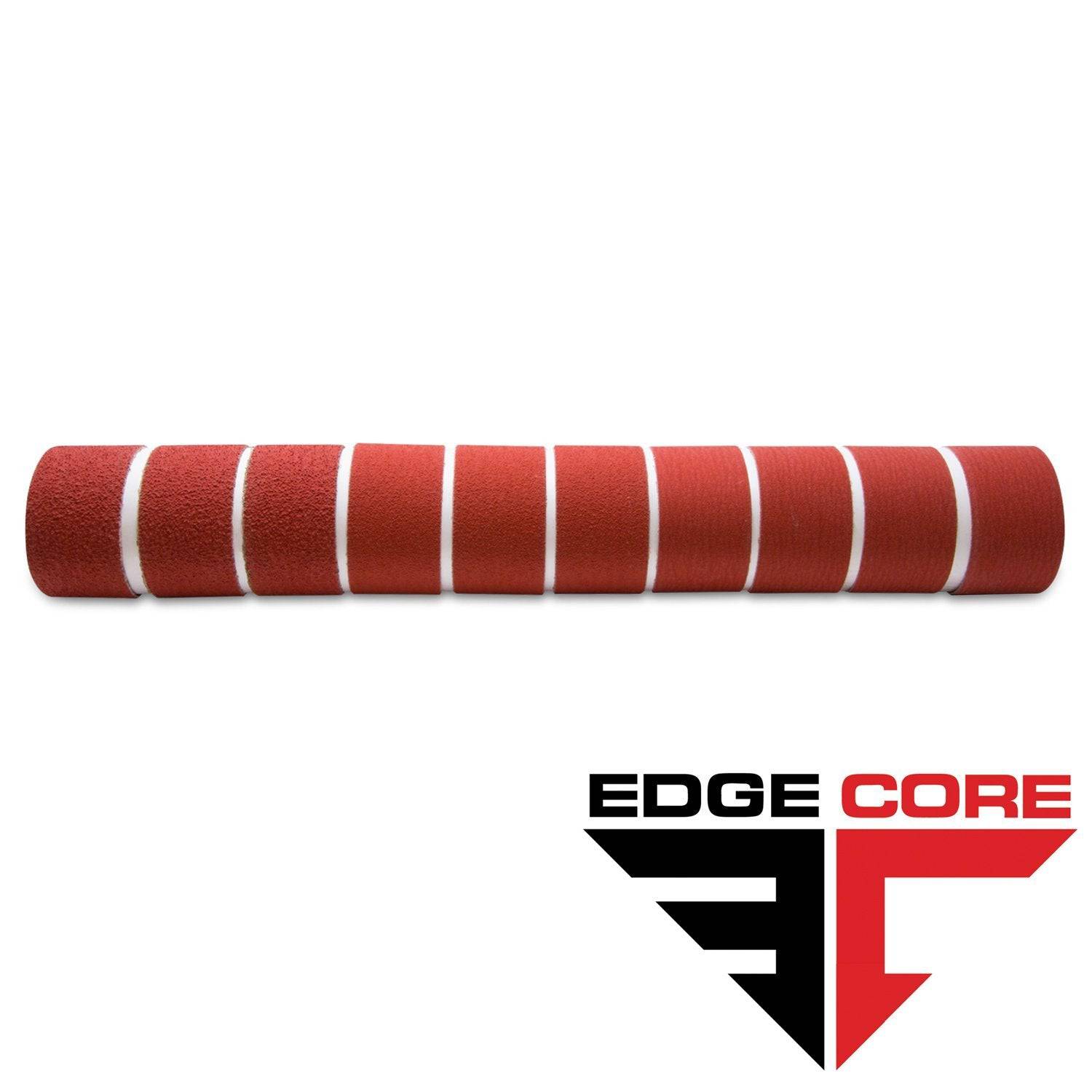
2 X 72 Inch Knife Makers Sanding Belts Assortment
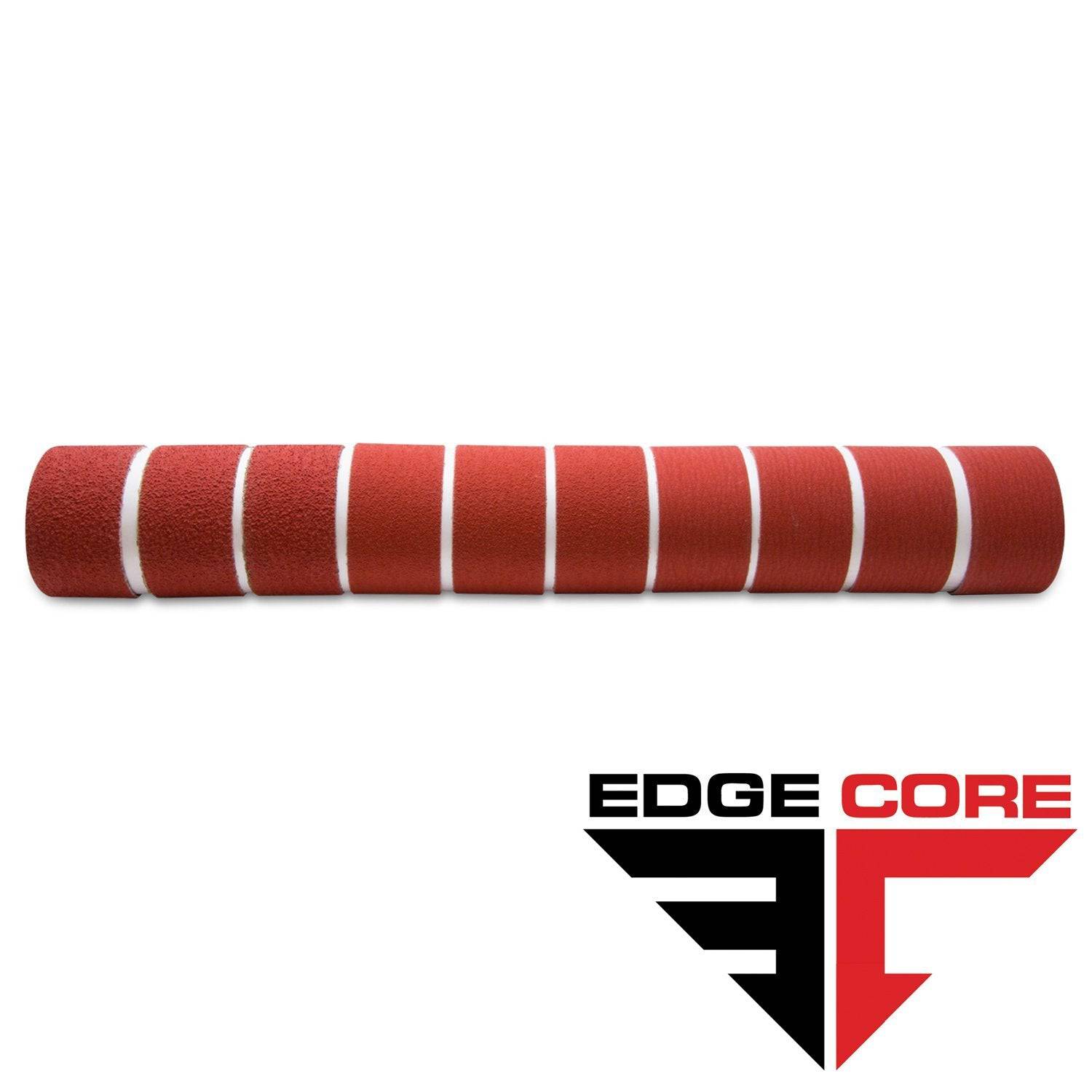
2 X 60 Inch Knife Makers Sanding Belts Assortment
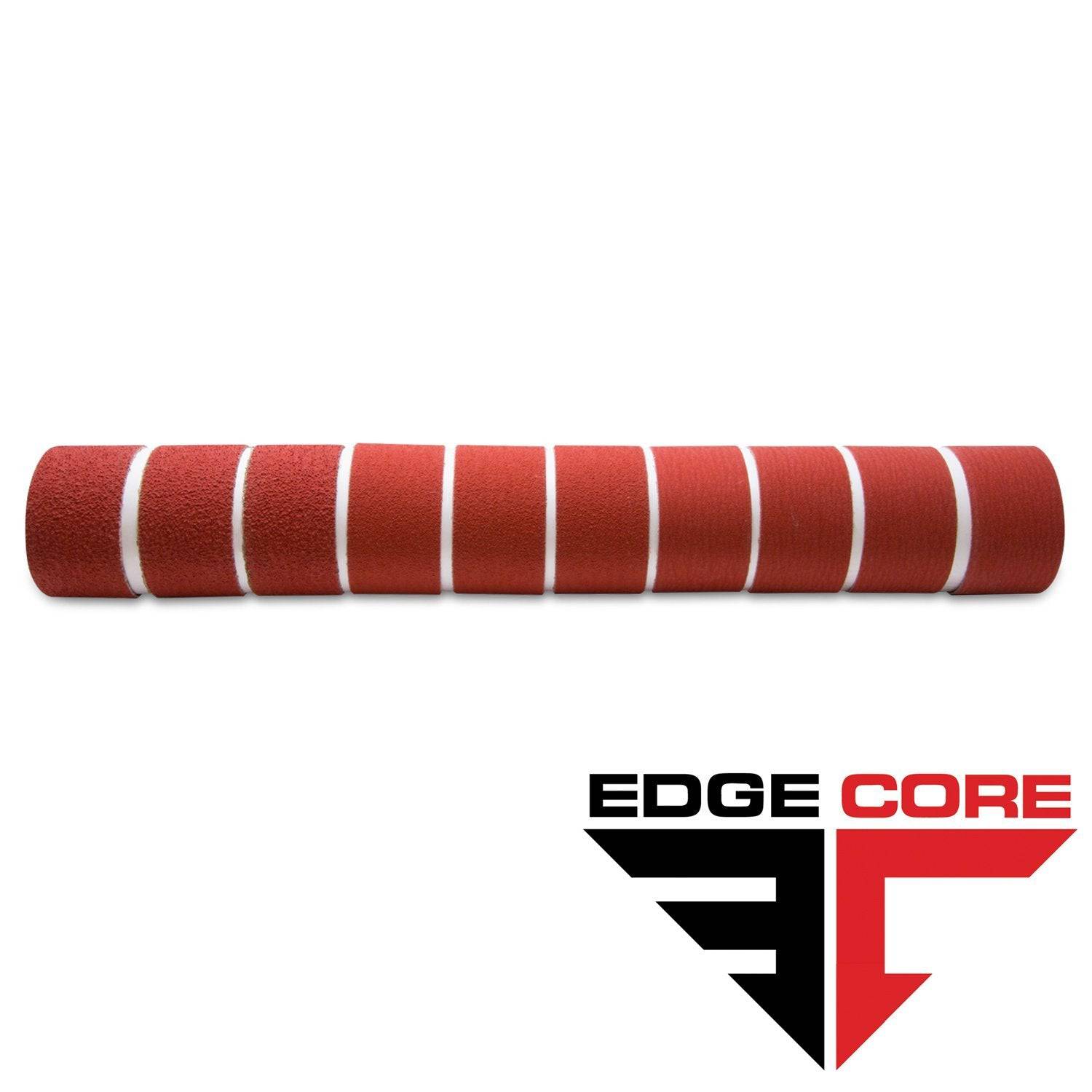
2 X 48 Inch Knife Makers Sanding Belts Assortment
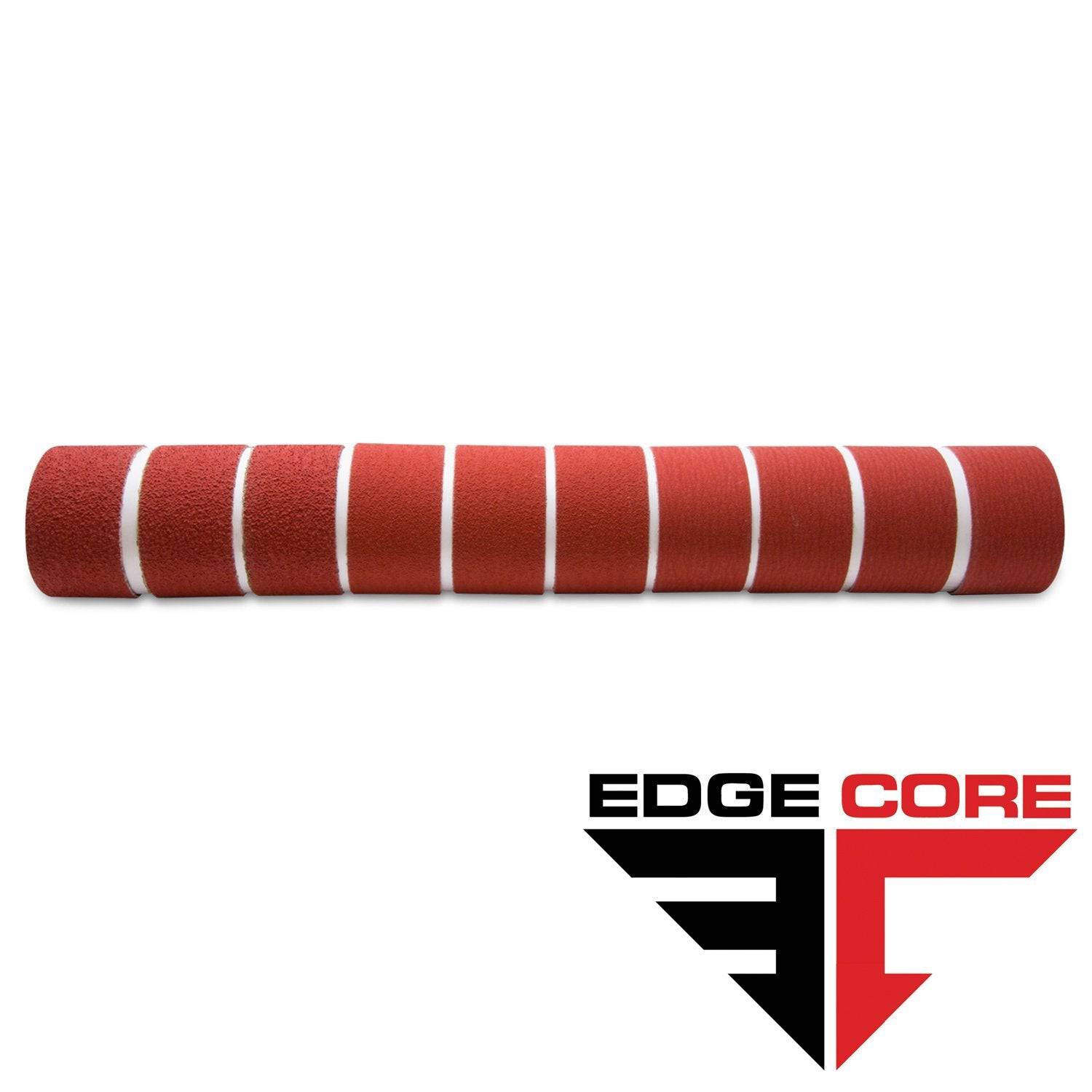
2 X 36 Inch Knife Makers Sanding Belt Assortment
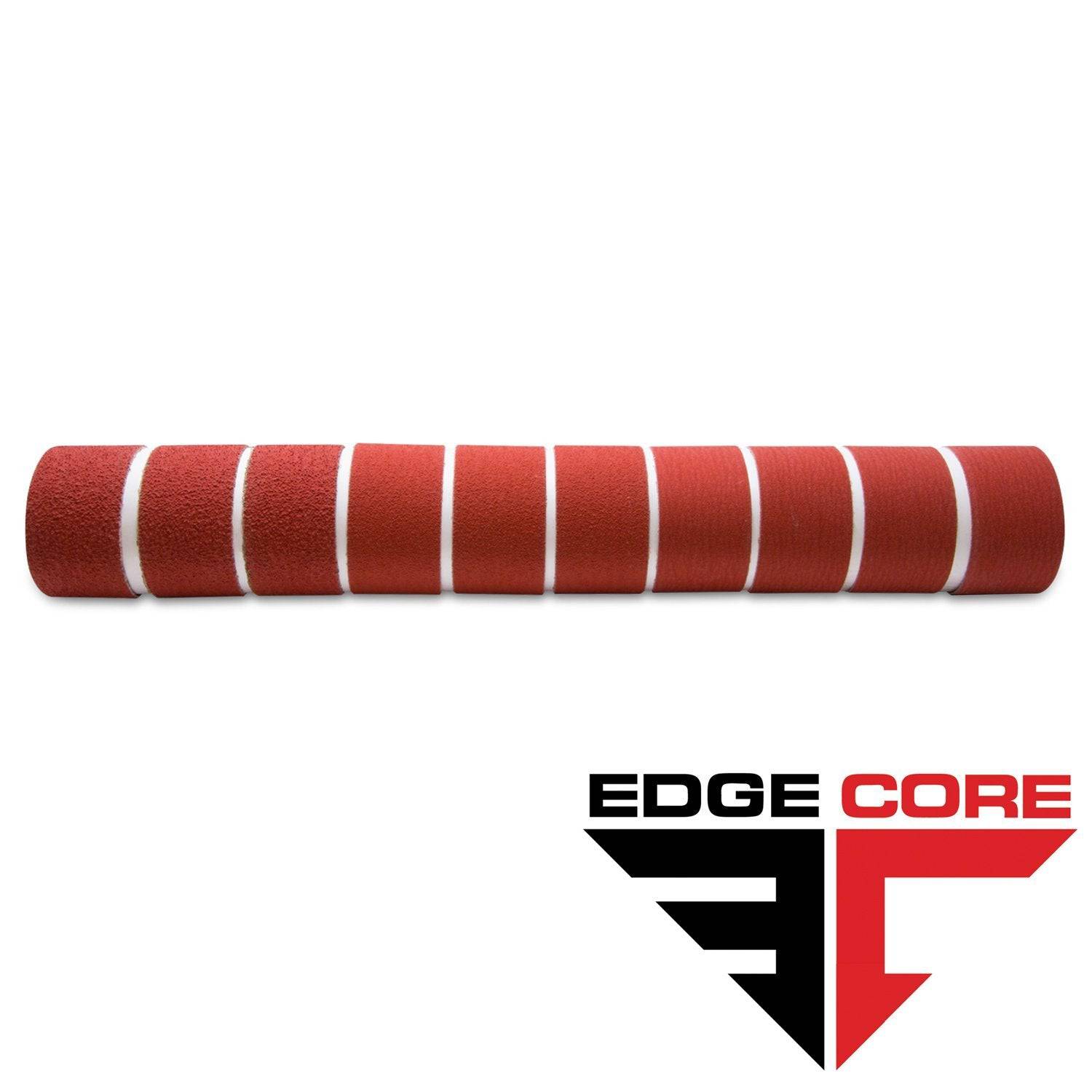
2 X 42 Inch Knife Makers Sanding Belts Assortment
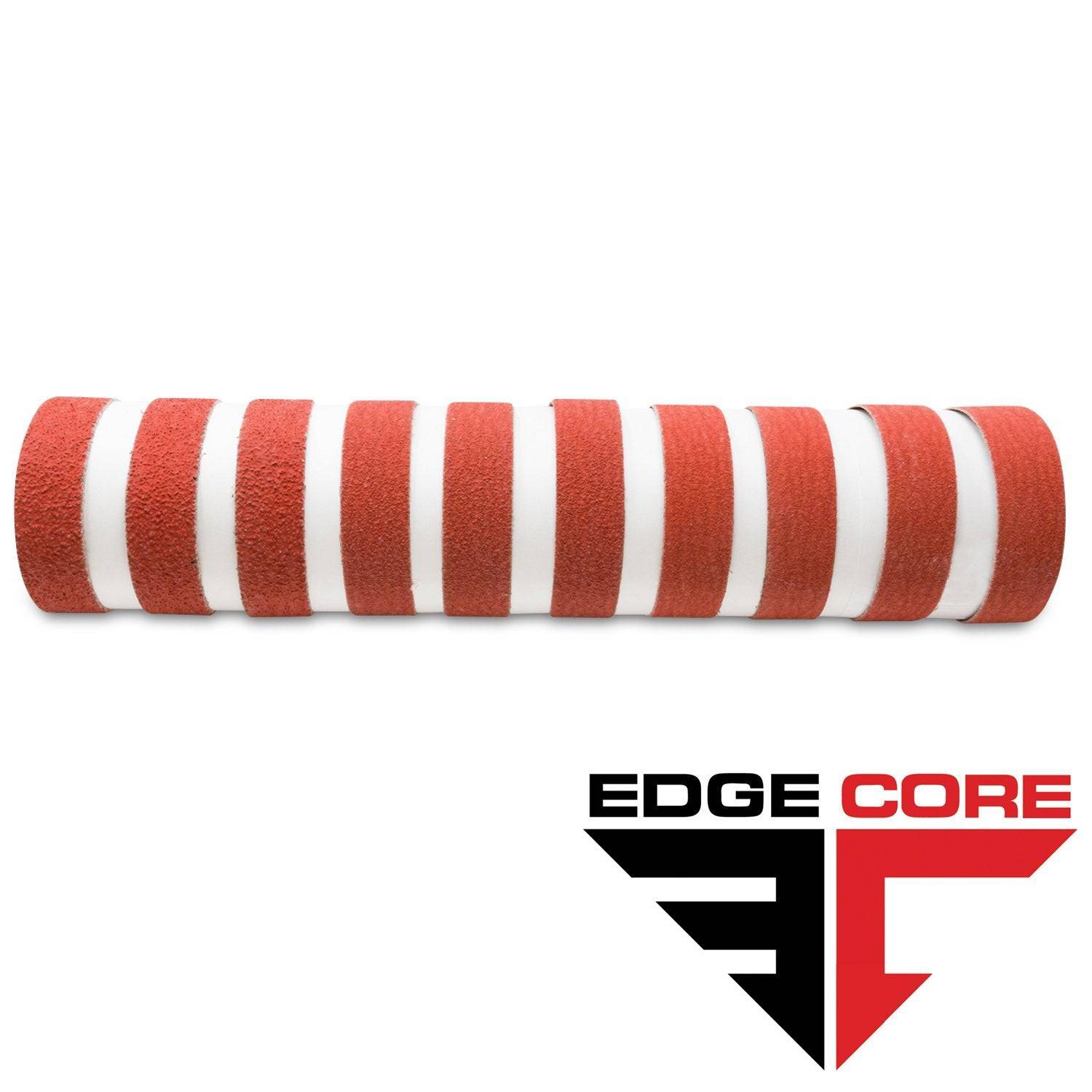
1 X 30 Inch Knife Makers Sanding Belts Assortment
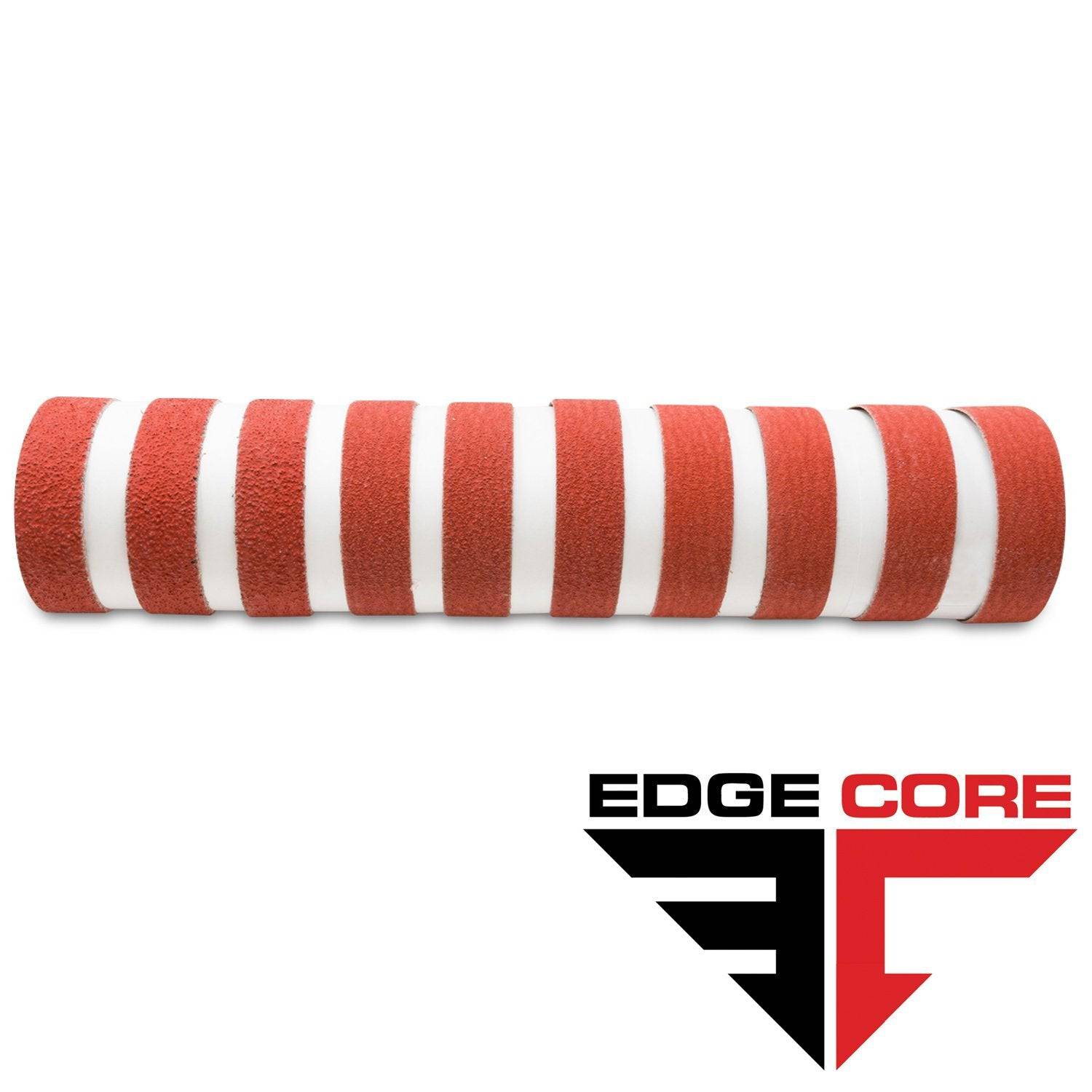
1 x 42 Inch Knife Makers Sanding Belt Assortment